
Freezing warts (cryotherapy) under guidance from an experienced wart removal surgeon offers tailored care. Results vary by wart size, type, and individual factors, taking 4-8 weeks on average. Multiple sessions may be needed. Aftercare instructions from the surgeon are crucial for optimal healing, minimizing scarring, and preventing reinjury. Specialized care is recommended for sensitive areas.
Warts are a common skin concern, affecting people of all ages. While many opt for quick fixes, understanding the timeline of wart removal is crucial for effective management. Freezing warts, or cryotherapy, is a popular non-invasive method, often recommended by experienced wart removal surgeons. However, patience is key; it can take several treatments and up to several weeks to observe significant results. This article delves into the factors influencing wart disappearance after freezing, offering valuable insights for those seeking natural, efficient solutions without compromising skin health.
- Understanding Wart Freeze Treatment Process
- Factors Affecting Disappearance Time Frame
- When to Expect Complete Wart Removal
- Post-Treatment Care and Recovery Tips from an Experienced Wart Removal Surgeon
Understanding Wart Freeze Treatment Process
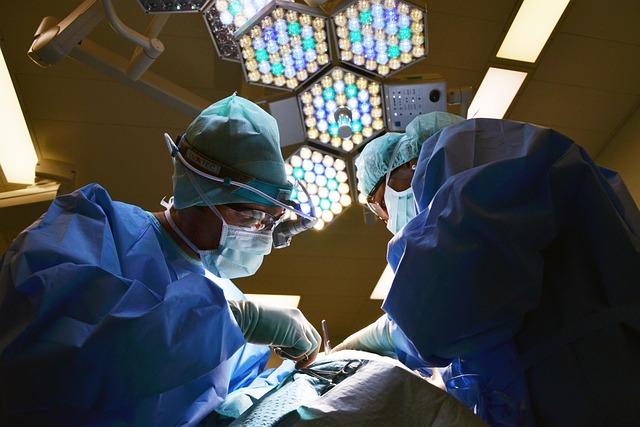
The process of freezing warts, also known as cryotherapy, is a commonly employed method for their removal. It involves targeting and freezing the affected skin cells to prompt their eventual disappearance. This procedure is typically carried out by an experienced wart removal surgeon in a controlled setting. The time it takes for warts to disappear after freezing varies based on several factors, including the severity and number of warts, individual healing rates, and adherence to post-treatment care instructions.
In many cases, patients can expect to see results within 2-4 weeks after the initial treatment. During this period, the frozen wart(s) will start to shed, and new, healthy skin will begin to form in its place. It’s important to note that multiple treatments might be necessary for more persistent or extensive warts. A private wart removal surgeon can assess the severity and provide a tailored treatment plan, typically involving 1-3 sessions spaced several weeks apart. This strategic approach ensures optimal results while minimising discomfort and potential side effects.
Consider seeking expert advice from private wart removal specialists in Leeds, Leicester, or Newcastle if you’re considering cryotherapy. Their professional insights can guide you through the process, addressing any concerns and ensuring the best possible outcomes. Each location offers specialized care, catering to patients’ unique needs. For instance, a surgeon in Newcastle might recommend a slightly different treatment approach based on regional climate and patient demographics compared to their counterparts in Leeds or Leicester.
Factors Affecting Disappearance Time Frame

The time it takes for warts to disappear after freezing varies significantly based on several factors. While some warts may resolve within a few weeks, others could take several months or even longer. According to experienced wart removal surgeons, the average wart disappearance time frame ranges from 4 to 8 weeks following treatment. However, this can be influenced by the size, type, location, and overall health of the individual.
For instance, common warts often respond well to freezing, with many smaller ones disappearing within a few treatments. In contrast, larger or more deeply embedded warts might require more time to resolve. Those located on areas with thick skin, like the hands or feet, may also take longer than those in thinner skin areas. Individuals with compromised immune systems could experience slower healing times, as their bodies fight infections and growths less effectively.
Wart removal services are available at specialized clinics across the UK, including Wart Removal near me Exeter, Wart Removal Liverpool, and Wart Removal Leicester. These professional settings offer advanced treatments that can improve results and reduce recovery time compared to at-home methods. It’s crucial to consult an experienced surgeon who can assess your specific case and provide tailored guidance based on the aforementioned factors for optimal wart removal outcomes.
When to Expect Complete Wart Removal
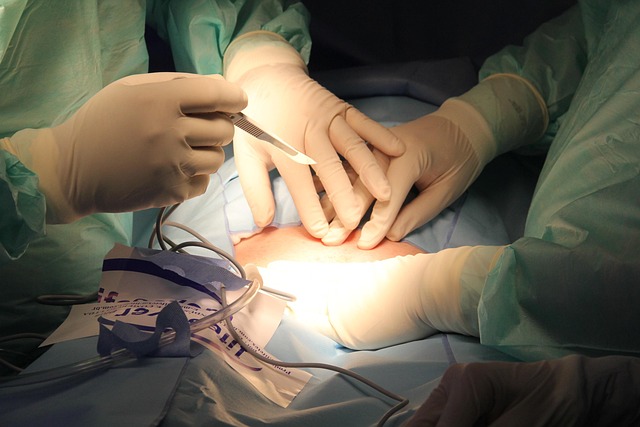
The duration it takes for warts to disappear after freezing varies significantly from person to person. While some may experience complete wart removal within a few weeks, others might require several treatment sessions spaced over months. According to experienced wart removal surgeons, factors influencing this process include the size, type, and number of warts, as well as individual skin response. For instance, smaller, superficial warts tend to clear up faster than larger or deeper-seated ones.
Wart removal specialists like those available at Wart Removal Oxford, Newcastle, and Milton Keynes can provide a more accurate estimate based on their professional experience. They typically recommend a series of cryotherapy treatments, with intervals of 4-8 weeks between sessions. Each treatment targets the wart with liquid nitrogen, freezing it and causing cell death. Over time, as the body naturally sheds the damaged skin cells, the wart disappears. It’s crucial to adhere to the specialist’s advice regarding aftercare, such as keeping the treated area clean and protected from friction or irritation, to ensure optimal results.
While some warts may vanish without trace, others can leave scar tissue in their place, especially if they’ve been present for a long time or are particularly stubborn. An experienced surgeon like those available at these specialist centers can help manage such cases, offering additional treatments or strategies to minimize scarring and promote healthy skin regeneration. Patience is key during this process; complete wart removal may take several months, but with consistent care and professional guidance, most individuals can expect significant improvement in their skin’s appearance.
Post-Treatment Care and Recovery Tips from an Experienced Wart Removal Surgeon
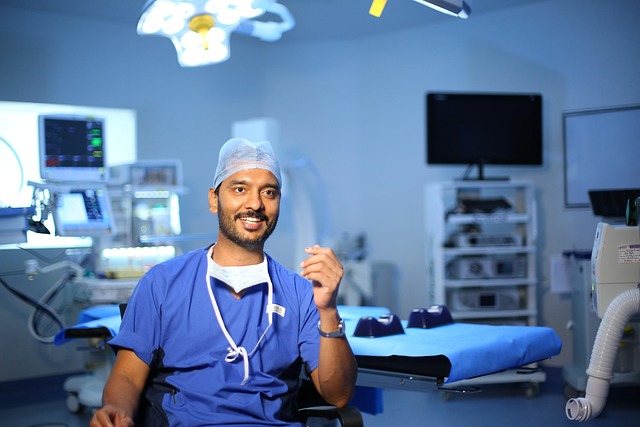
Following a wart freezing treatment, it’s crucial to understand the recovery process and post-care instructions from an experienced wart removal surgeon. The time frame for warts to disappear after freezing can vary significantly depending on several factors such as the size, type, and number of warts, as well as individual skin physiology. According to expert sources, warts may start to dissipate within a few weeks in some cases, while complete resolution could take several months or longer.
An experienced wart removal surgeon near Leeds or Liverpool will typically recommend monitoring the treated area closely during this period. It’s important not to touch or pick at the frozen wart, as this can lead to infection or reinjury. Keeping the skin clean and dry is paramount, with gentle washing and avoiding harsh scrubs or products that may irritate the area. In some instances, over-the-counter topical medications or bandages prescribed by the surgeon may be recommended to aid healing and prevent reoccurrence.
Cosmetic wart removal in Liverpool, for areas like the face or hands, demands extra care due to the sensitive nature of these body parts. Patients should expect potential redness, swelling, or discomfort following treatment, which is usually temporary. An experienced surgeon will provide detailed aftercare instructions tailored to the patient’s specific needs, including when it’s safe to resume normal activities and if any further treatments might be required. Regular check-ins with the surgeon are essential to ensure optimal healing and address any concerns promptly.
After freezing warts, their disappearance time varies based on factors like wart size, severity, and individual healing. According to an experienced wart removal surgeon, it typically takes between 2 to 6 weeks for warts to resolve completely. For faster results, consistent post-treatment care is crucial, including keeping the treated area clean and dry, avoiding scratching or rubbing, and applying topical medications as recommended by the surgeon. An experienced wart removal surgeon emphasizes that patience is key, as rushing the process may lead to complications. Regular follow-up with the surgeon ensures proper healing and allows for addressing any concerns promptly. This comprehensive approach guarantees the best possible outcomes, leveraging the expertise of an experienced professional.