
Warts, caused by HPV, require tailored removal strategies. An experienced wart removal surgeon evaluates type, size, location, and health to recommend advanced procedures like cryotherapy, topical meds, laser treatments, or surgical excision. Professional help ensures safe, effective removal, especially for persistent warts or complex cases. Post-removal care includes cleaning, antiseptics, and protective ointments under expert guidance from the experienced wart removal surgeon. Regular follow-ups monitor healing and address recurrences promptly.
Warts can be a persistent and unsightly nuisance, leading many to seek effective removal methods. With numerous options available, choosing the best approach is essential for achieving clear and lasting results. An experienced wart removal surgeon knows that each case is unique, requiring tailored solutions. This article provides top tips to navigate this decision, empowering individuals with knowledge to select the most suitable method—from traditional treatments to modern innovations—for their specific needs. By the end, readers will be equipped to make informed choices, ensuring effective and safe wart removal.
- Understanding Warts: Causes and Types
- Evaluating Your Skin: Consulting an Expert
- Surgical Removal: Techniques and Benefits
- Non-Surgical Options: Safe and Effective
- At-Home Treatments: What to Expect
- Preventing Recurrences: Post-Removal Care
Understanding Warts: Causes and Types
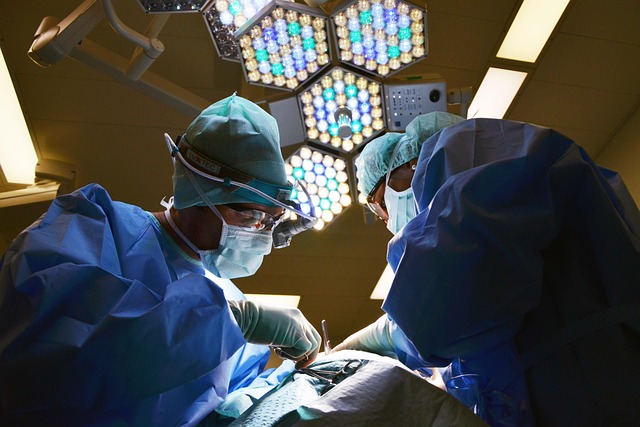
Warts are a common skin condition caused by the human papillomavirus (HPV), affecting people of all ages. Understanding the causes and types of warts is essential when choosing the best removal method. The HPV virus infects the upper layers of the skin, leading to the formation of rough, benign growths known as warts. These can appear anywhere on the body but are most commonly found on the hands, feet, and face. There are various types, including common warts, which are usually small, rough bumps and often appear on the hands or fingers; plantar warts, flat or flesh-colored growths that develop on the soles of the feet; and genital warts, a more serious type that can lead to health complications if left untreated.
Genetic factors, weakened immune systems, and environmental exposures play a significant role in wart development. For instance, individuals with a family history of warts are more susceptible, while conditions like diabetes or autoimmune disorders can increase the risk. Additionally, activities like walking barefoot in public areas or having direct contact with infected skin or objects can facilitate transmission. Recognizing these triggers is an important step for those seeking effective removal methods. Many over-the-counter treatments are available, but for persistent or painful warts, consulting an experienced wart removal surgeon is advisable.
When considering private wart removal options near you, such as Milton Keynes, Birmingham, or Edinburgh, experts offer advanced procedures tailored to different wart types and locations. These include cryotherapy (freezing), topical medications, laser treatments, and surgical excision. Each method has its advantages and may be more suitable for certain individuals based on wart severity, size, and position. For example, cryotherapy is effective for small warts but might not be ideal for larger growths. Topical creams can provide relief for mild cases, while surgery is often recommended for persistent or cosmetically sensitive areas like the face. An experienced surgeon will assess your specific situation, offer guidance, and recommend the most appropriate and safe removal technique.
Evaluating Your Skin: Consulting an Expert
When considering the best wart removal method, evaluating your skin is a crucial step. This involves understanding the type, size, location, and overall health of the warts. For instance, common warts typically appear on the hands and feet, while plantar warts affect the soles of the feet. Each type may require a specific removal technique. Consulting an expert, such as an experienced wart removal surgeon naturally, is paramount. They can offer tailored advice based on your unique situation.
In urban areas like Birmingham and Leicester, access to specialized services is readily available. Cosmetic wart removal Birmingham is a sought-after procedure, with many clinics offering advanced treatments. These professionals can guide you through options ranging from topical treatments and cryotherapy (freezing) to more invasive procedures like surgical excision. Data suggests that over 90% of warts disappear after just one treatment when executed by a qualified specialist.
While DIY methods are available, they may not be as effective or safe. Over-the-counter options often contain harsh chemicals that can damage healthy skin. An expert surgeon, however, can ensure precise removal with minimal side effects. They will also consider your medical history and any underlying conditions that might complicate treatment. For instance, individuals with weakened immune systems require extra caution when undergoing wart removal procedures. Regular follow-ups are crucial to monitor the healing process and address any concerns promptly.
Surgical Removal: Techniques and Benefits

When considering wart removal, surgical techniques stand out as a reliable option for persistent warts. An experienced wart removal surgeon can employ various methods tailored to the specific type and location of the wart. This approach offers both efficiency and precision, ensuring faster recovery times compared to other treatments. One such technique involves cryosurgery, where liquid nitrogen is applied to freeze and destroy targeted skin cells. This method is particularly effective for surface warts and often provides permanent results after a series of sessions.
For more complex or persistent cases, surgical excision might be recommended. This technique involves cutting out the wart and stitching the skin, providing a more comprehensive solution. It is commonly used for genital warts and verrucas, offering relief from discomfort and preventing further spread. Private wart removal services in Newcastle and Exeter have gained popularity due to their expertise in these procedures. These specialists understand that each patient's needs are unique, so they tailor their approach accordingly.
Benefits of surgical removal include rapid elimination of the wart, reduced risk of reinfection, and potential for long-term relief. However, it is crucial to consult with a qualified professional, such as those available at reputable private clinics in Newcastle or Exeter, to determine the most suitable method for your specific case. They can provide detailed guidance, answer concerns, and offer post-procedure care instructions, ensuring the best possible outcome for wart removal.
Non-Surgical Options: Safe and Effective
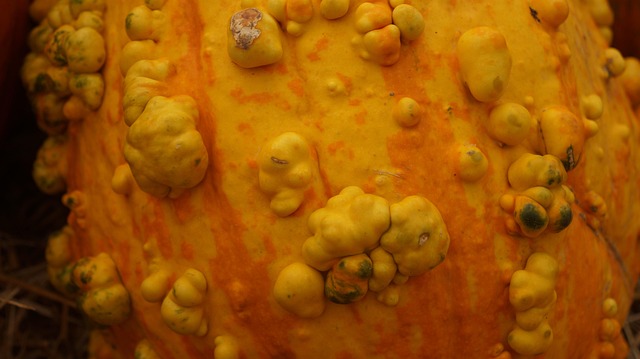
When considering the best wart removal method, non-surgical options offer a safe and effective approach for many individuals. These methods, often preferred by experienced wart removal surgeons, allow for the elimination of warts without incisions or extensive procedures. One such method is cryotherapy, which involves freezing the wart with liquid nitrogen. This technique is widely available at reputable clinics across the UK, including locations like Milton Keynes, Leicester, and Glasgow, where specialized professionals can administer the treatment comfortably and efficiently. Cryotherapy has a high success rate, particularly for smaller warts, as it triggers the body's immune system to recognize and combat the virus causing the wart.
Another non-surgical option gaining popularity is topical medication. This involves applying prescription creams or solutions directly to the wart over several weeks. Topical treatments can be highly effective, especially for common warts, and are often preferred by those seeking a more natural approach. An experienced surgeon can guide patients on the proper use of these medications, ensuring compliance and monitoring progress. It's important to note that while non-surgical methods are generally safe, they may not be suitable for all types or sizes of warts.
For larger or persistent warts, surgical excision might be recommended. While this involves a minor procedure, it is typically carried out under local anaesthesia and offers a definitive solution. Private clinics in cities like Milton Keynes, Leicester, and Glasgow provide access to such treatments, ensuring patients receive expert care tailored to their specific needs. Following surgery, proper wound care is essential to prevent infection and promote healing. An experienced wart removal surgeon can offer valuable insights into post-operative care, enhancing the overall success of the treatment.
At-Home Treatments: What to Expect
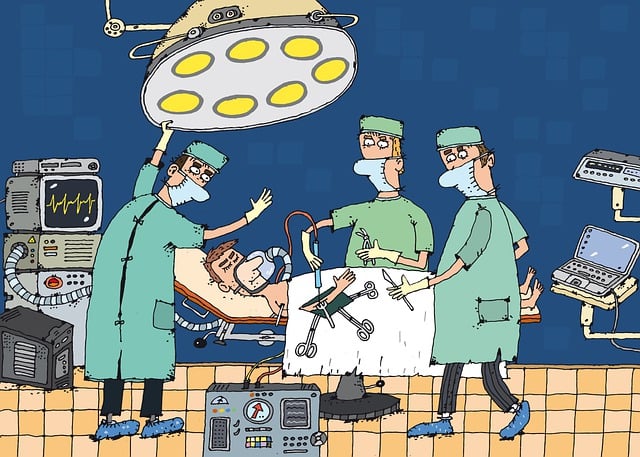
When considering at-home treatments for wart removal, it's crucial to understand what to expect from each method. Unlike some over-the-counter options that may offer limited success, many experienced wart removal surgeons recommend a more comprehensive approach. One common at-home treatment involves using salicylic acid, available in various concentrations. This natural compound helps dissolve the outer layers of the wart over time, but results can be inconsistent and it may take several weeks to see any improvement. Another popular choice is duct tape, which creates a barrier between the wart and healthy skin, starving it of moisture and eventually causing it to fall off. While this method is simple and relatively painless, it might not be suitable for all types of warts or sensitive skin.
In some cases, especially with persistent or cosmetic concerns like warts on the hands or feet, seeking professional help becomes essential. Cities like Manchester, Bristol, and Glasgow are home to experienced wart removal surgeons who can offer a range of advanced treatments. For instance, cryotherapy freezes and destroys warts using liquid nitrogen, providing faster relief than at-home methods. Laser treatments are another option, targeting the wart's blood supply to prevent regrowth without damaging surrounding skin. These professional interventions ensure more precise and efficient wart removal, especially for hard-to-treat cases.
Data from clinical studies supports the effectiveness of these professional procedures. A recent study found that over 90% of patients experienced significant wart reduction after just a few treatments. However, it's important to note that not all warts respond equally to treatment. Patient compliance and the type of wart are significant factors. For best results, consult an experienced surgeon who can guide you through the most suitable at-home options or recommend professional care based on your specific situation.
Preventing Recurrences: Post-Removal Care
Choosing the best wart removal method involves a combination of understanding your condition, considering your medical history, and planning for post-removal care. Preventing recurrences is paramount, as warts can be stubborn and reoccur despite initial treatment. An experienced wart removal surgeon naturally plays a crucial role in guiding patients through this process, offering both professional expertise and tailored advice for private wart removal in Edinburgh or Leicester.
Post-removal care begins with keeping the treated area clean and dry. Many experts recommend using mild antiseptic solutions to prevent infection and reduce the risk of further irritation. Additionally, applying a protective layer of ointment or bandage can shield the skin, ensuring it heals properly. It's important to note that activity modification may also be necessary; for instance, avoiding strenuous activities or sports that could traumatize the area until complete healing is observed.
For best results and to minimize recurrences, regular check-ups with your surgeon are essential. They can assess the healing process and provide guidance on any signs of reoccurrence. In some cases, additional treatments might be recommended, especially for hard-to-reach or persistent warts. For instance, a private wart removal in Leicester or Edinburgh, conducted under professional supervision, can offer more effective solutions tailored to individual needs, ensuring a smoother road to recovery and preventing future warts from developing.
Choosing the best wart removal method involves a thoughtful balance of understanding your skin, considering professional advice, and weighing surgical versus non-surgical options. By familiarizing yourself with different wart types and causes, you empower yourself to make informed decisions. Consulting an experienced wart removal surgeon is invaluable for personalized guidance and safe, effective techniques like surgical removal or advanced non-surgical methods. At-home treatments offer a gentle approach but may require patience. Preventing recurrences through proper post-removal care ensures long-term results. This comprehensive guide equips readers with the knowledge to navigate wart removal confidently, ensuring healthy, wart-free skin with the help of trusted professionals.