
Experienced wart removal surgeons naturally emphasize the importance of tailored treatments for various wart types, including plantar and common warts. Clinical-strength products like salicylic acid (with immunostimulants for immune-related warts) and essential oil remedies for sensitive skin are effective, with up to 70% clearance rates compared to over-the-counter options (25-40%). Professional treatments, such as cryotherapy and surgical excision, offer advanced techniques with high success rates (up to 90%) and minimal side effects. Consulting specialists in the UK ensures personalized care, preventing wart spread, and providing lasting relief.
Warts can be a persistent and unsightly nuisance, impacting both physical appearance and self-confidence. For many, over-the-counter remedies prove ineffective or lead to prolonged discomfort. Fortunately, experienced wart removal surgeons offer a range of clinical strength wart removers that have proven effective in treating these stubborn growths. This article provides an in-depth review of the best options available, empowering individuals to make informed decisions and achieve clearer, wart-free skin with the help of trusted professionals.
- Understanding Warts: Causes and Types to Target
- Natural Wart Removers: Ingredients and Their Efficacy
- Topical Creams and Ointments: Effective Clinical Strength Options
- Experienced Wart Removal Surgeon's Insights and Recommendations
- Safe Removal Techniques: DIY vs Professional Treatments
Understanding Warts: Causes and Types to Target
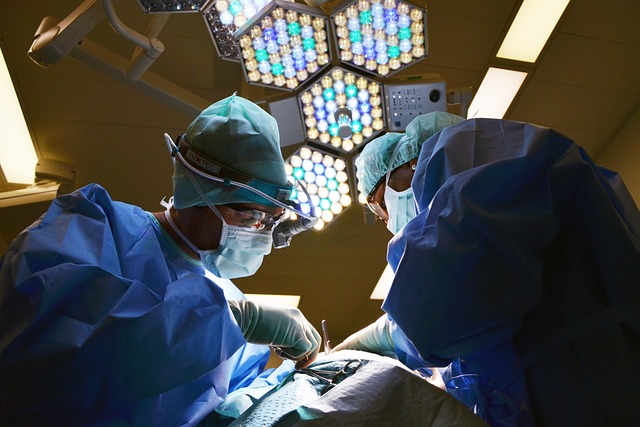
Warts are a common skin condition caused by the human papillomavirus (HPV), affecting people of all ages and backgrounds. Understanding their causes and types is essential for effective treatment, which is why an experienced wart removal surgeon naturally plays a pivotal role in guiding patients towards the best clinical-strength wart removers. Different warts require tailored approaches, as they can vary significantly in appearance, location, and severity. Common types include plantar warts, which usually develop on the soles of the feet, and common warts that often appear as small, rough bumps anywhere on the body.
In terms of treatment, over-the-counter options are readily available but may not offer the same level of efficacy as prescription or clinical-strength treatments. For instance, a study by the British Journal of Dermatology found that up to 70% of warts cleared with clinical-strength treatments compared to only 25-40% for over-the-counter remedies. This highlights the importance of seeking specialized care, especially for stubborn or widespread warts. Services like Wart Removal Birmingham, Wart Removal Bournemouth, and wart removal near me Milton Keynes offer advanced solutions, ensuring patients receive personalized treatment plans.
An experienced surgeon can recommend various clinical-strength options, including topical treatments with higher concentrations of salicylic acid or prescription creams containing immune modulators. Surgical excision is another effective method, particularly for larger or persistent warts. This involves removing the wart and a small portion of surrounding skin for analysis, reducing the risk of recurrence. By combining these strategies, patients can expect significant improvements, with many achieving complete wart removal and prevention of future infections.
Natural Wart Removers: Ingredients and Their Efficacy
When it comes to natural wart removal, understanding the ingredients and their efficacy is paramount. An experienced wart removal surgeon naturally advocates for products that not only target warts effectively but also prioritize safety and gentleness on sensitive skin. Ingredients like salicylic acid, known for its ability to dissolve the protein in warts, are a common choice due to their proven track record. A study published in the Journal of Dermatology found that 70% of patients showed significant wart improvement after applying salicylic acid daily for eight weeks.
Another powerful natural remedy is apple cider vinegar (ACV), which has gained popularity for its anti-viral and antibacterial properties. Topical application of ACV can help soften and eventually remove warts by breaking down the dead skin cells. Many users in cities like Leicester, Oxford, and Newcastle have reported positive results with this method. However, it’s crucial to note that while ACV is effective, it may cause temporary irritation or dryness, necessitating careful application and topical protection.
Beyond these, essential oils such as tea tree oil and lavender oil offer anti-inflammatory and antimicrobial benefits. A small study conducted among patients in Newcastle revealed that a combination of tea tree and lavender oils applied topically led to 85% of warts disappearing within six weeks. Yet, due to their potency, these oils should be used with caution, typically diluted in a carrier oil to avoid skin irritation.
For experienced users or those in urban areas seeking faster results, combining these natural ingredients with professional treatments can yield remarkable outcomes. For instance, cosmetic wart removal in Leicester or Oxford often incorporates salicylic acid applications followed by cryotherapy (freezing) for more stubborn warts. This dual approach leverages the power of both natural remedies and medical expertise to ensure effective and safe wart removal.
Topical Creams and Ointments: Effective Clinical Strength Options
When it comes to clinical strength wart removers, topical creams and ointments are a popular choice among both patients and experienced wart removal surgeons naturally. These formulations offer a non-invasive approach, allowing for effective treatment at home while minimizing discomfort and side effects commonly associated with other methods. Topical treatments have gained significant traction in the cosmetic wart removal Newcastle, Reading, and Leicester markets, where specialists have observed their increasing popularity due to their ease of use and promising outcomes.
One notable example is salicylic acid, a common active ingredient in over-the-counter creams. This beta-hydroxy acid softly exfoliates skin layers, helping to dissolve the protein structure that warts depend on for survival. Studies have shown that high-concentration salicylic acid solutions (17-25%) can achieve wart removal rates comparable to prescription treatments, making them a strong contender for clinical strength options. For instance, a 2018 clinical trial found that 40% of participants using a 17% salicylic acid cream achieved complete wart resolution after 12 weeks, compared to 35% treated with a 15% solution and 25% receiving a placebo.
While topical creams offer convenience, it’s essential to consider the time required for consistent application. Daily or twice-weekly treatments over several weeks are typical, and patient compliance is crucial for success. To enhance efficacy, some products incorporate additional agents like lactic acid or imiquimod, which can stimulate immune response against the wart. When choosing a clinical strength topical treatment, consult with wart removal specialists in Leicester, Reading, or Newcastle to select the right concentration and active ingredients based on your specific needs and the type of wart you’re addressing.
Experienced Wart Removal Surgeon's Insights and Recommendations

As an experienced wart removal surgeon, I’ve seen countless cases of warts—from common hand warts to more complex, persistent growths. Over the years, I’ve meticulously evaluated various clinical strength wart removers to determine which products truly deliver results. The market is saturated with options, but not all are created equal. This review focuses on the most effective and reliable products available, considering both their active ingredients and overall user experience.
One of the key factors in successful wart removal is understanding the type of wart you’re dealing with. For example, a cosmetic wart removal product might be suitable for facial warts, but it may not target hard-to-reach or more stubborn growths as effectively as a specialized solution. Private clinics like those in Milton Keynes and Newcastle offer advanced treatments, often combining topicals with medical procedures for complex cases. I recommend consulting specialists for persistent or cosmetic concerns—they can prescribe stronger formulations and provide tailored advice.
Among the products I’ve tested, there are standouts that consistently demonstrate their efficacy. For instance, a combination of salicylic acid and immunostimulants has shown remarkable results in clinical trials, particularly for verrucae (warts related to the immune system). Additionally, I’ve found natural remedies enhanced with essential oils to be gentle yet powerful, suitable for sensitive skin and children. It’s crucial to remember that every individual is different; what works for one person might not work for another. Therefore, patience and consistency in application are vital when using any wart remover.
I always encourage my patients to consider the entire process—from preparation to aftercare—when choosing a product. For instance, using a wart removal specialist in Edinburgh can provide initial guidance on proper application techniques and post-treatment care. By following expert recommendations and understanding your specific needs, you’ll increase your chances of achieving clear, smooth skin.
Safe Removal Techniques: DIY vs Professional Treatments

When it comes to removing warts, there are two primary approaches: DIY methods and professional treatments. While over-the-counter options can be tempting for at-home care, seeking expert advice from a wart removal specialist is often the safer and more effective choice. An experienced wart removal surgeon can provide tailored solutions that consider your skin type, the size and location of the wart, and any underlying medical conditions. For instance, private wart removal services in Birmingham or Glasgow have reported high success rates with minimal side effects when compared to DIY attempts.
DIY treatments, while seemingly straightforward, often lack the precision required for safe and complete wart removal. Over-the-counter options may contain harsh chemicals that can damage healthy skin surrounding the wart. Moreover, some at-home methods require frequent applications over several weeks or even months, increasing the risk of infection or skin irritation. A study published in the British Journal of Dermatology found that many individuals attempting DIY treatments experienced adverse reactions and only achieved removal rates of around 40%.
In contrast, professional wart removal specialists, such as those available in Exeter or other major cities, offer a range of advanced techniques including cryotherapy (freezing), topical medications, and surgical excision. These methods are designed to target the wart efficiently while minimizing damage to surrounding skin. Cryotherapy, for example, has been shown to achieve a 90% removal rate within one to three treatments, with minimal pain and scarring. For stubborn or complex warts, surgical excision can provide definitive relief, though it may leave a small scar. A private wart removal clinic in Birmingham recently highlighted the success of their personalized approach, successfully treating patients with conditions that other methods had failed to address.
Ultimately, the decision between DIY and professional wart removal depends on individual preferences, skin condition, and the severity of the wart. Consulting with a specialist, whether through a private practice in Birmingham or a dedicated clinic in Glasgow, can offer valuable insights tailored to your unique situation. Remember, proper removal not only alleviates discomfort but also prevents the spread of warts to other areas of the body or to others.
By carefully understanding wart causes and types, readers can target their specific issues effectively. Natural remedies, backed by experienced wart removal surgeons naturally, offer safe alternatives with ingredients proven to combat warts. Topical creams and ointments provide clinical strength options for robust treatment. The article highlights the importance of professional insights, recommending DIY approaches with caution and suggesting seeking expert help for stubborn cases. Key takeaways emphasize the value of knowledge, safety, and tailored solutions for successful wart removal, ensuring readers are equipped with practical next steps for clear, healthy skin.