
An experienced wart removal surgeon recommends liquid nitrogen freezing as a non-invasive method for wart removal. Treatment effectiveness varies by wart type, location, and size, with multiple sessions (every 4-6 weeks) often needed. Recovery takes 2-6 weeks on average, with proper post-treatment care crucial for success. Consulting an experienced surgeon ensures tailored guidance, optimal results, and minimal discomfort throughout the process.
Warts are a common skin concern, affecting people of all ages. While many opt for quick fixes, understanding the timeline of wart removal is crucial for effective management. Freezing warts, or cryotherapy, is a popular method prescribed by experienced wart removal surgeons. However, patience is required as results vary. Generally, it takes multiple treatments spaced several weeks apart to see significant improvement, and even then, complete disappearance may not occur. This article delves into the factors influencing wart resolution after freezing, offering valuable insights for those seeking this non-invasive approach.
- Understanding Wart Freezing: The Initial Step
- How Long Does Recovery Take: A Timeline
- Factors Influencing Wart Disappearance
- When to Seek Medical Assistance: Expert Advice
- Natural Healing vs Professional Intervention
Understanding Wart Freezing: The Initial Step
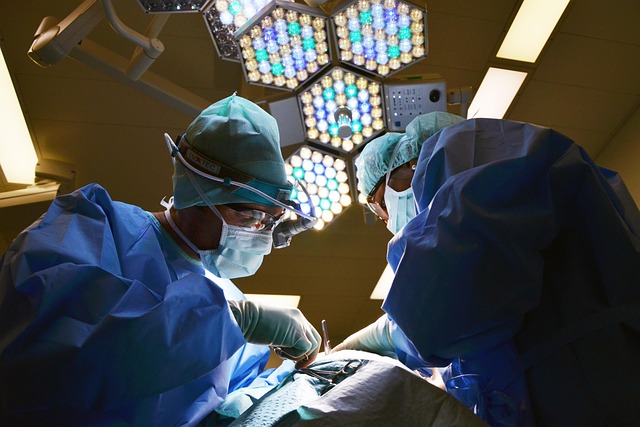
Freezing warts is a popular and non-invasive method for their removal, often recommended by experienced wart removal surgeons. This procedure involves using liquid nitrogen to freeze and destroy targeted skin growths. The effectiveness of this approach can vary greatly from person to person, with results typically appearing over several weeks or months. It’s crucial to understand that freezing warts is not a quick fix; it takes time for the body to heal and for the wart to disappear completely.
In many cases, multiple treatments are required to achieve optimal outcomes. A common protocol involves applying liquid nitrogen every 4-6 weeks, allowing the immune system sufficient time to recognize and eliminate the infected cells. Patients in Reading, Birmingham, or Oxford often consult private wart removal specialists who can provide tailored guidance based on the severity and type of warts. It’s important to remember that different skin types and wart locations may respond differently to treatment, with some areas being more challenging to treat than others.
During the initial consultation, a qualified surgeon will assess your condition and determine the best course of action. They might recommend freezing as a primary treatment or suggest alternative options if this method isn’t suitable for your specific case. Post-treatment care is also vital; keeping the treated area clean and protected from irritation can significantly improve outcomes. Patience is essential, as it may take several months to see complete clearance, even after successful treatments.
How Long Does Recovery Take: A Timeline
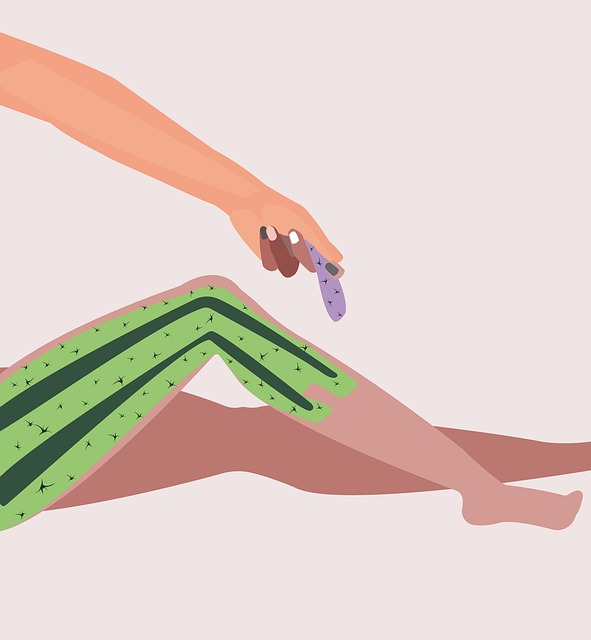
The recovery timeline after freezing warts varies significantly from person to person, depending on factors such as the number of warts, their size, location, and individual skin conditions. On average, it can take between 2 to 6 weeks for warts to start disappearing after cryotherapy (freezing treatment). However, complete resolution may take much longer, with some cases extending up to several months.
An experienced wart removal surgeon naturally plays a crucial role in guiding patients through this process. They will typically recommend follow-up visits every 4 to 6 weeks to monitor the warts’ response to treatment. During these visits, the surgeon gently files away dead skin and may apply additional treatments like salicylic acid or immunotherapies to enhance healing and reduce wart recurrence. In cases of stubborn warts, particularly in areas like the hands (Wart Removal Exeter) or feet (private Wart removal Newcastle), multiple sessions—ranging from 3 to 6 treatments—may be necessary before complete clearance is achieved.
Cosmetic considerations are also important. While the primary focus is on effective wart removal, patients often seek solutions for unsightly scabs or discolored skin left behind. An expert surgeon in cosmetic wart removal Exeter can provide specialized treatments and techniques to enhance the appearance of the treated area, ensuring that, ultimately, the results match the patient’s expectations. Regular communication with your surgeon throughout this timeline is essential to address concerns, adjust treatment plans, and achieve optimal outcomes.
Factors Influencing Wart Disappearance
The duration for wart disappearance after freezing can vary greatly, influenced by several factors. While some warts may resolve within a few weeks, others could take several months. This variability is due to the unique characteristics of each wart and individual responses to treatment. A qualified experienced wart removal surgeon, such as those available at private Wart Removal Exeter, Milton Keynes, or Edinburgh clinics, can provide a more accurate estimate based on these factors.
Key influences include the type of wart – common warts tend to respond well to freezing but may require multiple treatments; the size and depth of the wart – larger or deeper-rooted warts often need more time for regeneration; and individual healing capabilities. Some people, regardless of treatment, might simply heal faster than others. It’s also crucial to note that proper aftercare is essential. Neglecting post-treatment care could lead to prolonged recovery or even regrowth of the wart.
Furthermore, it’s important to consult a professional for accurate diagnosis and treatment plan. Wart removal specialists can offer tailored advice, ensuring optimal results with minimal discomfort. They can also address any underlying skin conditions that might affect healing. In many cases, patience is key; consistent care and observation will yield the best outcomes over time.
When to Seek Medical Assistance: Expert Advice
The effectiveness of wart removal treatments, including freezing (cryotherapy), varies from person to person. While some warts may disappear within a few weeks, others could take several months or even longer. It’s crucial to understand that each case is unique and seeking expert advice is vital for optimal outcomes. An experienced wart removal surgeon can provide tailored guidance based on the type, size, and number of warts, as well as individual factors like overall health and immune system strength.
For common warts, a series of cryotherapy sessions performed by a professional, such as those specializing in wart removal near me Edinburgh, Manchester, or Leeds, typically yields good results. The first session may cause the wart to disappear on its own, but subsequent treatments are often necessary to ensure complete removal. It’s important not to skip appointments and follow the surgeon’s recommendations for home care between sessions to enhance healing.
If warts persist despite multiple cryotherapy sessions or show signs of infection, such as increased pain, redness, or discharge, it’s time to seek further medical assistance. Persistent or infected warts may require alternative treatments like topical medications or surgery. An expert in cosmetic Wart removal Leeds can help determine the best course of action based on individual circumstances, ensuring that warts are removed effectively and with minimal discomfort. Regular check-ups during treatment are essential to monitor progress and make adjustments as needed.
Natural Healing vs Professional Intervention
Warts are a common skin concern, and their treatment options vary widely, from home remedies to professional interventions. When considering the timeline for wart removal, understanding the difference between natural healing and professional treatments is crucial. While some warts may disappear on their own within several weeks or months through natural means, such as freezing (cryotherapy), others require more specialized care. A private wart removal surgeon in cities like Leeds, Bristol, or Reading can offer advanced techniques tailored to different wart types and locations.
Natural healing, relying on methods like at-home cryotherapy kits, can be effective for minor warts. Freezing treatments aim to damage the wart’s blood supply, stimulating the body’s immune response to clear it. However, success rates vary, and multiple sessions are often needed. For instance, a study published in the Journal of Dermatological Treatment found that over 50% of common warts resolved after just one cryotherapy session, but treatment adherence was key. Professional intervention, on the other hand, ensures precise application of liquid nitrogen by experienced hands, potentially leading to quicker results and reduced side effects. Cosmetic wart removal specialists can treat difficult-to-reach areas and use advanced techniques for more persistent cases.
The choice between natural healing and professional wart removal depends on various factors. Wart type (common, plantar, or genital), location, size, and the patient’s medical history influence treatment decisions. For example, warts located on the face or hands might require more delicate handling, making a private wart removal surgeon in Reading a suitable choice for their expertise. While natural methods can be appealing for their accessibility, professional treatments offer enhanced efficacy and faster results, ensuring warts are removed effectively and with minimal discomfort. Consulting an experienced surgeon can provide tailored advice, addressing specific concerns and offering the best course of action.
After freezing warts, recovery time varies based on factors like wart size, location, and individual healing capabilities. Generally, it can take up to several weeks or even months for complete disappearance. An experienced wart removal surgeon emphasizes that patience is key during this process. While some warts may vanish without intervention, others might require professional assistance. Understanding the timeline and recognizing when to seek medical help are crucial steps in effective wart management. This article’s insights offer valuable guidance, empowering individuals to make informed decisions about their skin health, ensuring optimal outcomes through either natural healing or professional intervention.