
An experienced wart removal surgeon is crucial for effective management of various wart types. They offer specialized knowledge to tailor treatments from topical therapies to surgical excision, addressing triggers like skin injuries and weakened immune systems. Consulting dermatologists ensures access to advanced procedures and comprehensive post-operative care, leading to better outcomes. Pre-treatment preparation and meticulous post-removal care guided by experts enhance success rates and reduce recurrence risks.
Warts can be a persistent and unsightly nuisance, leading many to seek effective removal methods. Choosing the right wart remover is crucial for achieving clear skin without complications. As warts can be resilient, turning to an experienced wart removal surgeon offers valuable expertise and tailored solutions. This comprehensive guide provides insights from top professionals, equipping you with the knowledge to select the optimal wart removal method suited to your needs. By following expert advice, you’ll embark on a journey towards clear, healthy skin with confidence.
- Understanding Warts: Causes, Types, and Common Triggers
- Exploring Removal Methods: Surgical vs. At-Home Options
- The Role of an Experienced Wart Removal Surgeon
- Evaluating Safety and Efficacy: What to Expect During Treatment
- Pre-Treatment Preparations: Ensuring Success and Minimizing Risks
- Post-Removal Care: Maintaining Healthy Skin and Preventing Recurrence
Understanding Warts: Causes, Types, and Common Triggers
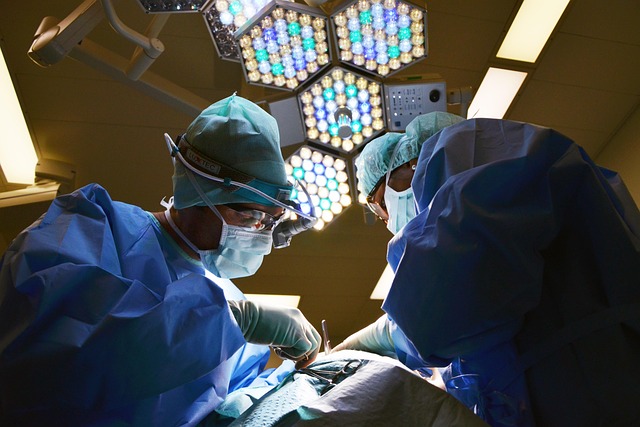
Warts are common skin growths caused by the human papillomavirus (HPV). They can be flat or raised, singular or in clusters, and may cause discomfort or aesthetic concerns for those affected. Understanding the causes, types, and triggers of warts is crucial when seeking expert advice on choosing the right wart remover. This knowledge empowers individuals to make informed decisions about their skin health.
Experienced wart removal surgeons emphasize that different types of warts require distinct approaches. Common warts, often appearing as small, rough bumps on the hands or feet, are usually caused by HPV type 1. Plantar warts, which grow on the soles of the feet and can be painful when walking or standing, may be linked to HPV types 2 or 4. Genital warts, a serious concern, are transmitted sexually and require prompt medical attention from specialists like those available at private wart removal clinics in Cardiff and Reading. While some warts disappear naturally without treatment, others persist and may spread, necessitating professional intervention.
Identifying triggers is another critical aspect of effective wart management. Persistent skin injuries or trauma can increase the risk of developing warts. For instance, individuals with a history of recurring cuts or scrapes on their hands are more susceptible to common warts. Additionally, weakened immune systems, as seen in conditions like diabetes or HIV/AIDS, can make it harder for the body to fight off HPV infections. Recognizing these triggers helps patients collaborate with wart removal specialists to develop tailored strategies that go beyond simply removing the visible growths.
When considering private wart removal options, such as those offered in Cardiff and Reading, individuals should consult with board-certified dermatologists or experienced surgeons who can provide expert advice based on specific wart types and underlying conditions. These specialists employ a range of effective treatments, from topical medications to surgical excision, often paired with recommendations for preventive measures to reduce the likelihood of future wart development.
Exploring Removal Methods: Surgical vs. At-Home Options

When considering wart removal, understanding the surgical versus at-home options is crucial. An experienced wart removal surgeon can offer valuable insights into which method aligns best with your specific case. While at-home treatments are readily available and often preferred for minor warts, they may not address more complex or persistent growths effectively. For instance, over-the-counter medications typically contain salicylic acid, which softens the wart’s outer layer, but may require repeated applications over several weeks.
In contrast, surgical removal provides a more definitive solution. A specialist, such as those practiced in Wart Removal Manchester, Wart Removal Glasgow, or Wart Removal Newcastle, can perform procedures like cryotherapy (freezing), laser treatments, or minor surgery to excise the wart entirely. These methods are particularly beneficial for larger, stubborn warts that haven’t responded to other treatments. According to a study published in Dermatologic Surgery, surgical removal achieved a 95% cure rate for common warts, compared to 70-80% for topically applied therapies.
The choice between surgical and at-home options depends on wart size, location, and your tolerance for discomfort. For simple, isolated warts, an at-home approach might be suitable. However, for more extensive or persistent cases, consulting with a specialist like those in the aforementioned locations can offer a more permanent solution. An experienced surgeon will assess your specific situation, providing tailored advice and the most effective treatment option to ensure optimal results.
The Role of an Experienced Wart Removal Surgeon

When considering wart removal, turning to an experienced surgeon offers invaluable advantages. While over-the-counter treatments are readily available, they often lack the precision and expertise required for complex or persistent warts. An experienced wart removal surgeon, such as those found at specialist clinics in Leicester, Edinburgh, or Leeds, brings a wealth of knowledge and skill to bear on these challenging cases. These professionals can provide tailored solutions, ensuring effective removal while minimising discomfort and potential side effects.
The role of an experienced surgeon extends beyond simple procedure. They are equipped to identify the type and severity of warts, distinguishing between common skin growths and more concerning conditions. This expertise is crucial in managing patient expectations and determining the most suitable treatment approach. For instance, while cryotherapy might be effective for smaller, less aggressive warts, more complex cases may demand laser treatments or surgical excision, each with its own set of benefits and risks.
Consulting a specialist ensures patients receive up-to-date, evidence-based care. Wart removal techniques evolve with medical advancements, and specialists stay at the forefront of these innovations. They can offer advanced procedures like dermosurgery or laser therapy, which may not be accessible through general practitioners. Moreover, they provide post-operative care and support, monitoring healing and addressing any concerns promptly. This comprehensive approach contributes to better outcomes and enhances patient satisfaction.
Evaluating Safety and Efficacy: What to Expect During Treatment

When seeking wart removal, understanding the safety and efficacy of chosen methods is paramount. Consulting an experienced wart removal surgeon can provide invaluable insights into what to expect during treatment. These professionals, such as those available at Wart Removal Oxford, Private Wart Removal Newcastle, and Wart Removal Milton Keynes, offer a wealth of knowledge and expertise in safely and effectively treating warts.
An essential aspect to evaluate is the method of wart removal. Surgical excision, cryotherapy (freezing), and topical treatments are common approaches. Each has its own success rates and potential side effects. For instance, surgical excision, often performed under local anesthesia, involves physically removing the wart. This method typically offers a higher chance of complete removal but may leave a scar in some cases. Cryotherapy, on the other hand, uses liquid nitrogen to freeze and destroy warts, with repeated treatments usually required. Topical treatments using chemicals like salicylic acid can be effective over-the-counter options but may take longer and have lower success rates compared to professional procedures.
During treatment, it’s crucial to manage expectations. Warts can be stubborn, and complete removal might require multiple sessions. An experienced surgeon will guide you through this process, offering personalized advice based on the wart’s type, size, and location. They can also address any concerns regarding pain, scarring, or potential complications, ensuring you’re well-informed before starting treatment. Remember, while these procedures are generally safe when performed by qualified professionals, there’s always a slight risk of infection or irritation. Therefore, choosing a reputable clinic like those mentioned in specific areas—Wart Removal Oxford, Private Wart Removal Newcastle, or Wart Removal Milton Keynes—ensures you receive quality care and expert advice tailored to your needs.
Pre-Treatment Preparations: Ensuring Success and Minimizing Risks

Choosing the right wart remover is a crucial step towards successful and safe elimination. Before diving into any treatment, it’s essential to prepare adequately, especially when considering at-home methods or visiting private facilities like those offering wart removal in Glasgow or Bournemouth. An experienced wart removal surgeon naturally emphasizes that proper pre-treatment preparations can significantly enhance outcomes and minimize risks associated with warts.
For instance, when opting for over-the-counter options, understanding the type of wart is paramount; common warts vs. plantar warts necessitate distinct approaches. Additionally, creating a sterile environment and following product instructions rigorously are non-negotiable to prevent infection or skin irritation. Conversely, if choosing professional removal through specialists in Bournemouth, thorough consultation becomes pivotal. These specialists will assess your wart, discuss treatment options, and address any concerns, ensuring an informed decision. They might recommend cryotherapy, laser treatments, or surgical excision, each with its own set of pre- and post-treatment considerations.
Pre-treatment preparations for professional removal include avoiding certain medications that can increase sensitivity and consulting your healthcare provider beforehand. Post-treatment care is equally critical; keeping the treated area clean, applying recommended medications, and protecting it from sun exposure are essential to facilitate healing and prevent complications. Data suggests that adhering to expert advice can lead to higher success rates and faster recovery times. Remember, proper preparation not only enhances the effectiveness of treatment but also reduces the likelihood of recurring warts.
Post-Removal Care: Maintaining Healthy Skin and Preventing Recurrence

Choosing a wart remover is a crucial step towards achieving clear, healthy skin. After the initial removal process, proper post-removal care becomes paramount in preventing recurrence. An experienced wart removal surgeon emphasizes that this period demands meticulous attention to ensure the treated area heals correctly and reduces the likelihood of warts returning.
For instance, patients undergoing private wart removal in Edinburgh, Bristol, or Newcastle should follow their clinician’s advice regarding cleaning and bandaging. This usually involves gentle cleansing with a mild soap and water, followed by patting the area dry rather than rubbing to prevent irritation. In some cases, an experienced surgeon might recommend applying a specific ointment or dressing to aid healing and reduce scarring. It’s vital to maintain regular hygiene practices during this time, especially when engaging in activities that could expose the treated skin to moisture or friction.
Furthermore, protecting the removed site from direct sunlight is essential. Sunscreen with a high SPF should be used daily to shield the delicate skin from ultraviolet rays, which can cause further damage and trigger wart regrowth. Patients should also steer clear of scratching or picking at the area, as this can lead to infection and prompt the body to redevelop the wart. Regular check-ups with your private wart removal specialist are crucial to monitor healing progress and address any concerns promptly, ensuring that your skin remains healthy and free from recurring warts.
By understanding the causes, types, and triggers of warts, readers can make informed decisions when seeking treatment. The article has explored a range of removal methods, highlighting the benefits and drawbacks of surgical versus at-home options. It has emphasized the significance of an experienced wart removal surgeon in ensuring safe and effective procedures, while also providing guidance on pre-treatment preparations and post-removal care to minimize risks and prevent recurrence. Key takeaways include the importance of expert advice, proper preparation, and understanding the potential outcomes. Readers are now equipped with the knowledge to navigate wart removal confidently, knowing when to consult an experienced wart removal surgeon for the best possible results.