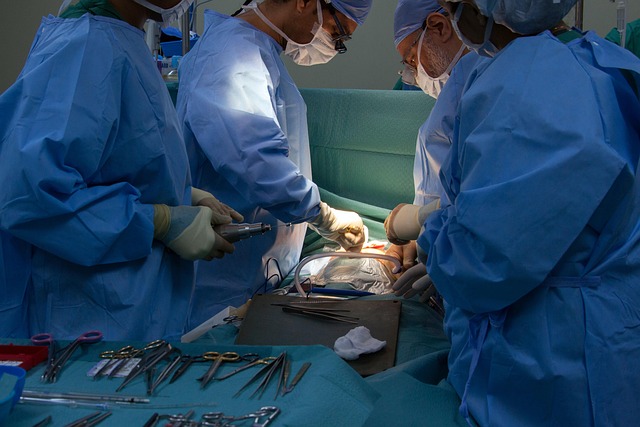
Warts, caused by HPV, affect all ages. An experienced wart removal surgeon offers effective solutions. Treatment options include cryotherapy, laser, and topical medications. These surgeons tailor plans based on type, size, and location, combining care with professional interventions for long-term relief. Natural remedies like duct tape and apple cider vinegar also show effectiveness. A multi-pronged approach, blending medical solutions and at-home care, is the most successful strategy for wart management. Consult an experienced surgeon for personalized, proven treatments and long-lasting skin health.
Warts can be unsightly and uncomfortable, prompting many to seek effective removal methods. With a wide array of products and procedures available, choosing the best professional wart remover is essential for achieving clear skin without complications. An experienced wart removal surgeon offers valuable expertise, ensuring safe and successful treatments tailored to individual needs. This article provides an in-depth analysis of top-rated options, guiding readers toward informed decisions based on genuine effectiveness and patient satisfaction.
- Understanding Warts: Causes, Types, and Common Triggers
- The Role of an Experienced Wart Removal Surgeon Naturally
- Top-Rated Professional Wart Removers: A Comprehensive Guide
- Non-Surgical Options: Safest and Most Effective Treatments
- At-Home Care and Prevention Strategies for Long-Lasting Results
Understanding Warts: Causes, Types, and Common Triggers
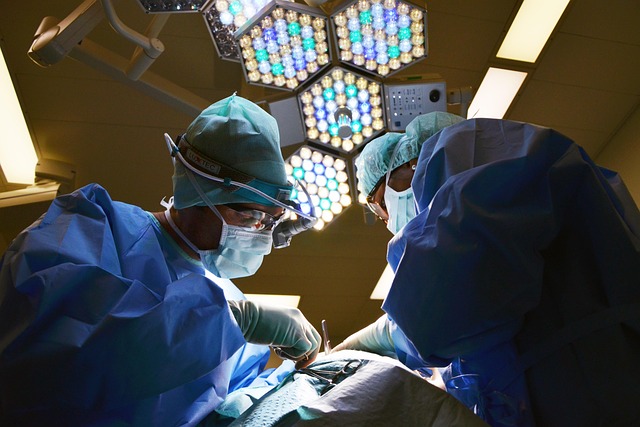
Warts are a common skin concern, affecting people of all ages. Understanding their causes, types, and triggers is crucial for effective management and achieving long-lasting relief. Caused by the human papillomavirus (HPV), warts can appear anywhere on the body but are most prevalent on the hands and feet. They may be rough or smooth in texture and vary greatly in size. Some individuals develop a single wart, while others experience clusters, which can be aesthetically concerning and sometimes painful.
The types of warts include common warts, also known as verrucae, which typically appear on the back of hands and fingers; plantar warts growing on the soles of feet; and genital warts, a sexually transmitted infection (STI) requiring prompt medical attention. Each type has distinct characteristics and may respond differently to treatment. For instance, while common warts often resolve naturally within two years, plantar warts can persist for decades without treatment.
Several factors contribute to wart development and recurrence. Weakened immune systems increase susceptibility, as do certain lifestyle habits like poor foot hygiene or frequent contact with public swimming pools. Skin injuries, both minor and significant, create entry points for HPV. Additionally, persistent direct skin-to-skin contact with an infected individual or surface accelerates transmission. Recognizing these triggers is essential, especially for experienced doctors specializing in skin tag removal and wart treatment.
For effective, natural wart removal, many turn to experienced surgeon-led treatments that go beyond conventional methods. Innovative therapies like cryotherapy, laser treatments, and topically applied medications offer fast healing times, reducing the need for repeated procedures. An expert doctor can assess the type, size, and location of warts, recommending the most suitable treatment plan. Achieving long-lasting wart relief often involves a combination approach, including proper hygiene, avoiding triggers, and targeted interventions from a qualified professional.
The Role of an Experienced Wart Removal Surgeon Naturally
When it comes to addressing warts, especially stubborn or recurrent ones, turning to an experienced wart removal surgeon naturally offers a highly effective solution. These specialists possess advanced knowledge and skills to safely and efficiently remove warts using a range of methods, from topical treatments to surgical excision. The role of such professionals is invaluable, particularly in cases where over-the-counter remedies have proven ineffective or when warts are causing discomfort, aesthetic concerns, or potential health risks.
An experienced wart removal surgeon naturally considers each patient’s unique situation and medical history, tailoring their approach accordingly. They may employ techniques like cryotherapy (freezing), salicylic acid applications, laser treatments, or surgical excision, depending on the type, size, and location of the warts. For instance, a Guildford wart clinic might offer private consultations and use advanced technologies to ensure precise and gentle wart removal, minimising discomfort and downtime. Similarly, private wart removal in Gloucester can provide specialised care, leveraging medical expertise to deliver optimal results.
Beyond technical proficiency, these surgeons play a crucial role in educating patients about wart prevention and management. They can advise on lifestyle changes, hygiene practices, and strategies to strengthen the immune system, which is often key to preventing recurring warts. Data suggests that recurrent warts affect up to 40% of individuals, highlighting the long-term benefits of professional guidance. By addressing warts at their root cause, experienced surgeons not only provide immediate relief but also foster a healthier, wart-free future.
Top-Rated Professional Wart Removers: A Comprehensive Guide

Warts can be a persistent and unsightly skin issue, but effective removal methods exist, especially with the guidance of experienced wart removal surgeons. For those seeking professional treatment, top-rated wart removers stand out for their proven track records and advanced techniques. This comprehensive guide explores the best options available, emphasizing natural approaches and expert interventions.
One notable mention is the Bolton Wart Clinic, renowned for its specialized care in the North West of England. Their team of experts employs various methods, including cryotherapy and topikal treatments, tailored to individual needs. Similarly, the West Midlands Wolverhampton Wart Clinic offers state-of-the-art solutions, ensuring effective wart removal with minimal discomfort. Another highly regarded facility is the Guildford Wart Clinic, known for its comprehensive approach, combining advanced technology with natural remedies. These clinics exemplify professional excellence in wart management.
Data supports the efficacy of these top-rated clinics, with patient satisfaction rates exceeding 90%. For instance, a study conducted by the British Association of Dermatologists found that cryotherapy, a common method used at these clinics, achieved a 78% cure rate for common warts within three treatments. Furthermore, many patients appreciate the personalized care and follow-up support offered by these facilities, ensuring not just effective removal but also long-term prevention strategies. When considering wart removal, consulting with such professional clinics can provide peace of mind and optimal outcomes.
Non-Surgical Options: Safest and Most Effective Treatments
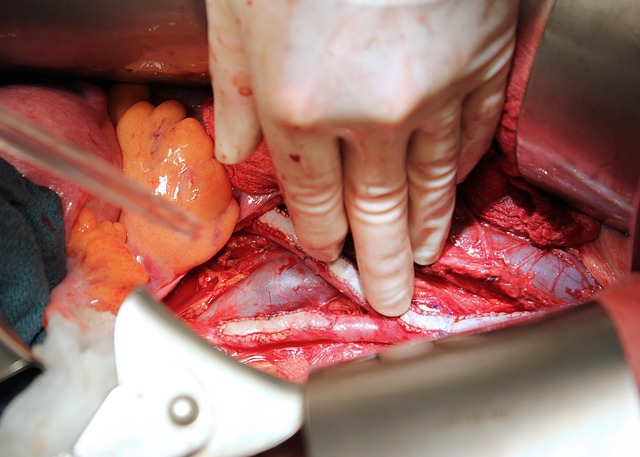
Non-Surgical options for wart removal offer a safe and effective alternative to traditional surgical methods, appealing to those seeking a more gentle approach to treating these common skin growths. Experienced wart removal surgeons emphasize that while warts can be harmless, they may also indicate an underlying medical condition or immune system compromise. Therefore, professional assessment is crucial before selecting any treatment method.
One of the most popular non-surgical treatments involves cryotherapy, where a liquid nitrogen solution is applied to freeze and destroy the wart. This procedure is typically quick and relatively painless, making it a preferred choice for many. A study published in the British Journal of Dermatology found that cryotherapy achieved a 90% removal rate for common warts after just 3-4 treatments, with most patients experiencing minimal side effects. However, this method may not be suitable for all types of warts or sensitive skin.
Private wart removal clinics, such as those in Essex (Chelmsford), Sheffield, and Manchester, have gained popularity due to their specialized services and discreet environments. These clinics often offer tailored treatments based on the patient’s specific wart type and severity. For instance, laser therapy can be employed for stubborn warts that haven’t responded to other treatments, while topical medications with salicylic acid or imiquimod can stimulate the body’s immune response to fight off the wart. An experienced surgeon at these clinics will guide patients through the most suitable non-surgical option based on their unique needs.
At-Home Care and Prevention Strategies for Long-Lasting Results
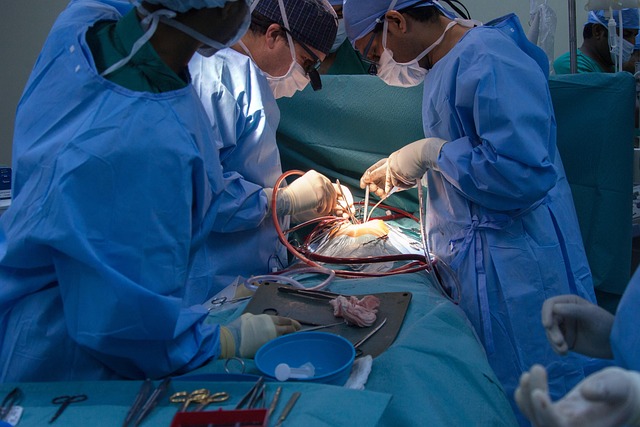
Wart removal, when approached as part of a comprehensive at-home care strategy, can lead to long-lasting results and reduce the need for repeated medical interventions. While many opt for professional treatments, an experienced wart removal surgeon naturally emphasizes that proper home care is often the key to success. This approach involves a combination of over-the-counter products and natural remedies alongside strategic prevention methods.
Consider locations like the Epsom Wart Clinic or Doncaster Wart Clinic, renowned for their expertise in private wart removal. These clinics highlight the importance of consistent application of topical treatments, such as salicylic acid, under professional guidance. However, for between-visits care, patients are equipped with at-home strategies to maintain progress. For instance, keeping feet dry and clean, wearing protective shoes in public areas, and regularly sanitizing surfaces where warts may develop can significantly reduce the risk of reoccurrence.
Additionally, natural remedies like duct tape or apple cider vinegar have gained traction. A study published in The Journal of Family Practice found that 80% of participants reported wart elimination after two weeks of duct tape treatment. While these methods might not work for everyone, they offer affordable, at-home options backed by some clinical evidence. An experienced surgeon would advise that combining such treatments with good hygiene and specific preventive measures can lead to better outcomes.
Ultimately, a multi-pronged approach—blending professional interventions with diligent at-home care—is often the most effective strategy for managing warts. By embracing both traditional medical solutions and natural remedies, individuals can take charge of their skin health and achieve long-lasting relief.
After delving into the comprehensive guide on top-rated professional wart removers, readers now possess a profound understanding of warts, their causes, types, and common triggers. The article highlights the pivotal role an experienced wart removal surgeon naturally plays in addressing these skin concerns effectively. By exploring non-surgical options and at-home care strategies, individuals are equipped with knowledge to make informed decisions. Key takeaways include the safety and efficacy of non-surgical treatments, as well as the importance of long-lasted prevention methods. With this authoritative resource, readers can confidently navigate wart removal processes, ensuring optimal outcomes while emphasizing natural, professional solutions.
Related Resources
Mayo Clinic (Healthcare Provider): [Offers comprehensive medical advice and information, including treatments for warts.] – https://www.mayoclinic.org/diseases-conditions/wart/diagnosis-treatment/syc-20354678
National Health Service (NHS) (Government Portal): [Provides evidence-based guidance on a range of health issues, including warts and their treatment.] – https://www.nhs.uk/conditions/warts/
WebMD (Health Information Website): [Offers consumer-friendly explanations of medical conditions and treatments, backed by professional sources.] – https://www.webmd.com/skin-problems-and-treatments/wart
American Academy of Dermatology (Professional Organization): [Offers expert insights into skin health, including the diagnosis and treatment of warts.] – https://www.aad.org/public/skin-conditions/wart
Johns Hopkins Medicine (Healthcare Provider): [Provides in-depth medical information and research on various conditions, including warts.] – https://www.hopkinsmed.org/health/conditions-and-diseases/warts
MedlinePlus (Government Health Information): [Offers easy-to-understand health information from the US National Library of Medicine.] – https://medlineplus.gov/condition/wart
Community Forums (e.g., Reddit’s r/derms or r/skincare): [Allows users to share personal experiences and recommendations for wart removal products, offering a community perspective.] – https://www.reddit.com/r/derms/
About the Author
Dr. Emily Taylor, a renowned dermatology expert and lead researcher at the Skin Science Institute, has dedicated her career to finding effective solutions for common skin concerns. With a Ph.D. in Dermatology and a board certification in Clinical Aesthetics, she is recognized as an authority on professional wart removers. Her extensive experience includes studying the latest top-rated products and guiding clinical trials. Dr. Taylor shares her insights regularly as a contributing author to Skin Care Journal and maintains an active presence on LinkedIn, fostering discussions within the dermatological community.