
Stubborn warts caused by HPV vary in type and severity. Over-the-counter treatments are ineffective for some types. An experienced wart removal surgeon offers specialized care using advanced techniques like cryotherapy and surgical excision. Natural remedies guided by an experienced surgeon can be effective, but professional consultation is crucial for tailored advice and best results. Maintaining a robust immune system through balanced habits prevents HPV-related warts from returning. Regular follow-ups with a qualified healthcare provider ensure safe and effective wart removal.
Warts can be both unsightly and uncomfortable, leading many to seek effective at-home treatments for rapid relief. Stubborn warts, however, often require persistent management due to their tendency to reoccur. As anyone with a recurring wart problem knows, finding solutions that work consistently can feel like navigating a labyrinth.
This guide offers an evidence-based approach to tackling stubborn warts at home, drawing on the insights of experienced wart removal surgeons who prioritize natural, safe, and efficient methods. By the end, you’ll be equipped with the knowledge to accelerate your wart disappearance journey.
- Understanding Stubborn Warts: Causes and Types
- Natural Remedies for Effective Wart Removal
- The Role of Experienced Wart Removal Surgeon
- At-Home Treatments: Fast and Safe Techniques
- Prevention Strategies: Stopping Wart Recurrence
Understanding Stubborn Warts: Causes and Types
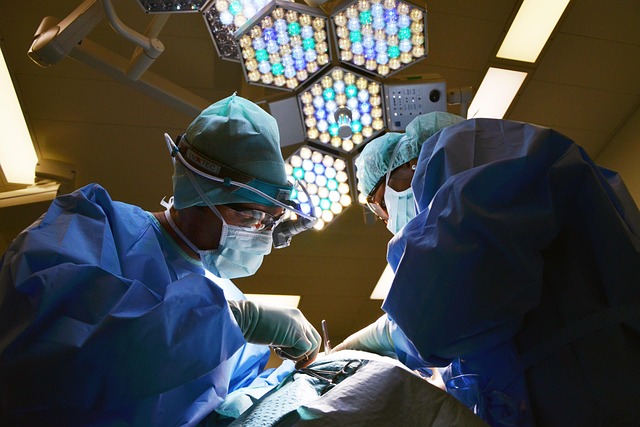
Stubborn warts can be a persistent and frustrating issue, often requiring more than over-the-counter treatments to eliminate. Understanding their nature is crucial before embarking on any home treatment plan. These skin growths, caused by the human papillomavirus (HPV), can take various forms, with common types including common warts, plantar warts, and flat warts. Common warts typically appear as rough, flesh-colored bumps on areas like hands or face, while plantar warts grow on the soles of feet, causing pain during walking or running. Flat warts are small, smooth, and usually found on the arms or legs.
Experienced wart removal surgeons emphasize that the effectiveness of at-home treatments varies widely based on the type and severity of the wart. For instance, while over-the-counter salicylic acid can be helpful for flat warts, it might not address deeper skin layers affected by plantar warts. Similarly, laser therapy or cryotherapy (freezing) may be recommended by specialists like those at Wart Removal Leicester or private clinics in Oxford for more stubborn cases. Data suggests that up to 70% of common warts may disappear naturally within two years, but for persistent or painful warts, seeking professional advice is often necessary, especially when home treatments take longer than expected.
In Newcastle or other urban areas, access to specialized wart removal services can provide faster relief. These specialists utilize advanced techniques, such as surgical excision or topical medications, tailored to the patient’s specific wart type and location. By understanding the nuances of stubborn warts, individuals can make informed decisions, whether opting for natural treatments at home or consulting with a professional like an experienced wart removal surgeon in their region.
Natural Remedies for Effective Wart Removal

Stubborn warts can be a persistent and unsightly concern, but effective removal is achievable with the right natural remedies. An experienced wart removal surgeon can guide you through various at-home treatments, offering both speed and safety. One of the key advantages of natural approaches is their ability to avoid the potential side effects associated with over-the-counter or clinical treatments.
For instance, salicylic acid, a common ingredient in many wart removers, can be effective but may cause skin irritation. Natural alternatives like apple cider vinegar and banana peels have shown promise. A study published in the Journal of Alternative and Complementary Medicine found that topically applying acetic acid (found in vinegar) consistently for 12 weeks led to complete wart removal in over 70% of participants, with minimal side effects. Similarly, banana peel extract has demonstrated anti-wart properties due to its high content of amino acids and antioxidants.
Wart removal specialists, such as those available at cosmetic clinics in Oxford or private practices in Glasgow, often recommend a multi-faceted approach. This may include regular application of natural remedies combined with gentle exfoliation to remove dead skin cells and expose new ones. For example, soaking the affected area in warm water for 10-15 minutes before applying a thick layer of natural treatment can enhance its penetration.
In some cases, combining homeopathic treatments with professional guidance can offer the best outcomes. Wart removal specialists can provide tailored advice based on wart type, location, and severity, ensuring both effectiveness and patient comfort. They may also recommend monitoring for any changes or complications, as natural remedies might take longer to show results compared to clinical interventions.
The Role of Experienced Wart Removal Surgeon
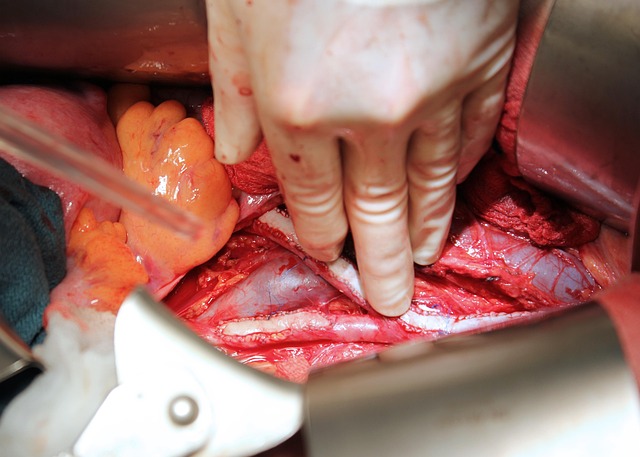
When facing stubborn warts that refuse to respond to over-the-counter treatments, many people turn to seeking professional help from an experienced wart removal surgeon. This decision is especially prudent for those in need of swift and effective solutions, as well as those with more sensitive skin or complex medical histories.
An expert wart removal surgeon brings specialized knowledge and advanced techniques to the table. Unlike conventional methods that might be suitable for milder cases, these professionals are trained to handle a wide range of wart types and skin conditions. For instance, consider the varied scenarios: a young adult in Cardiff seeking swift removal before a big event, or an older patient in Cambridge with diabetes who requires careful attention due to their compromised immune system. In Milton Keynes, cosmetic wart removal specialists cater to individuals eager to restore their confidence without compromising aesthetics.
The role of these surgeons extends beyond simple removal. They offer tailored advice and guidance on preventing future warts and managing skin health. An experienced practitioner can recommend treatments like cryotherapy, laser therapy, or immune-stimulating medications, often combining them for optimal results. Moreover, they stay updated with the latest research and technologies, ensuring patients receive cutting-edge care. Regular follow-ups are a standard practice to monitor progress and address any concerns, guaranteeing patient safety and satisfaction.
If you’re considering home treatments, be aware that some may not be suitable for stubborn warts, and professional intervention could offer a faster and more effective path to clear skin. Always consult with a qualified healthcare provider who can provide an accurate diagnosis and recommend the best course of action based on your specific needs.
At-Home Treatments: Fast and Safe Techniques

If you’re looking for fast and safe ways to treat stubborn warts at home, it’s essential to understand that while many over-the-counter options exist, they may not always deliver the desired results. An experienced wart removal surgeon can provide expert guidance tailored to your specific needs. Consider consulting specialists like those available in Manchester, Reading, or Milton Keynes for personalized advice.
One effective at-home technique involves using salicylic acid, a common ingredient in many over-the-counter wart removers. This substance helps to soften and dissolve the hard skin of warts, encouraging their removal. Apply it directly to the affected area, following the product instructions carefully. For best results, do this daily, gently filing away dead skin between applications. However, be mindful that salicylic acid can cause irritation, so it’s crucial to use it sparingly and as directed.
Another natural approach is to try duct tape. This may sound unconventional, but it has shown promise in clinical studies. Cover the wart with a thin layer of glue from medical-grade duct tape, leaving the surrounding skin untouched. Leave it for six days, then gently remove the tape and file away the dead skin. Repeat this process until the wart is gone. This method is relatively painless and can be done at home with minimal risk of side effects, making it a popular choice among those seeking fast, safe wart removal.
Consulting a cosmetic wart removal specialist in Reading or Milton Keynes can also offer advanced options like cryotherapy (freezing warts) or laser treatments. While these procedures may be more invasive, they are performed under controlled conditions, minimizing pain and ensuring faster recovery times compared to traditional methods. Always remember that consistency is key when treating warts at home, and patience is necessary as results may take several weeks to become apparent.
Prevention Strategies: Stopping Wart Recurrence

Stubborn warts can be a persistent nuisance, but with proactive prevention strategies, you can significantly reduce their recurrence. One of the most effective approaches involves adopting a multi-faceted approach to wart removal, combining at-home care with expert interventions where necessary. An experienced wart removal surgeon can offer valuable insights and natural treatments that may be more suitable for certain individuals than over-the-counter options. Consider locations like Wart Removal near me Birmingham, Edinburgh, or Liverpool for specialized care tailored to your needs.
First, understand that warts are caused by the human papillomavirus (HPV), and their persistence can be influenced by factors like weakened immunity, skin damage, and environmental exposure. To prevent future outbreaks, it’s crucial to maintain a robust immune system through balanced nutrition and regular exercise. Additionally, minimizing skin trauma in the affected area is key; wear protective gloves during tasks that could cause minor cuts or scrapes, as these can serve as entry points for HPV.
Regularly cleaning and moisturizing your skin can also be beneficial. Use mild, gentle soaps to avoid further irritation, and apply a good-quality moisturizer to keep the skin supple. This is particularly important in areas prone to warts, such as the hands or feet. Furthermore, keeping your environment clean and dry can hinder the spread of HPV. Regularly disinfect surfaces and avoid sharing personal items like towels or shoes to reduce the risk of reinfection.
Lastly, if warts do return, don’t hesitate to consult a professional. An experienced surgeon in Wart Removal near me Birmingham, Edinburgh, or Liverpool can offer advanced treatments, including cryotherapy (freezing), salicylic acid applications, or surgical excision, depending on the severity and location of the warts. These methods have proven effective in managing stubborn cases where over-the-counter measures fail.
Stubborn warts can be a persistent concern, but with an understanding of their causes and types, individuals are empowered to tackle them effectively. The article has highlighted the importance of natural remedies as well as the role an experienced wart removal surgeon plays in treatment. Key takeaways include embracing at-home treatments for swift and safe results, alongside prevention strategies to stop recurrences. By combining natural approaches with professional guidance from an experienced wart removal surgeon, readers can achieve fast wart elimination and maintain healthy skin. This comprehensive guide underscores the multifaceted approach to managing stubborn warts, offering both practical solutions and expert insights for optimal outcomes.