
Experienced wart removal surgeons offer specialized treatments for persistent or unsightly warts. While natural remedies and over-the-counter options exist, professional help ensures effective, tailored solutions with minimal downtime. Cryotherapy, laser surgery, and surgical excision are advanced techniques available at clinics in UK cities like Oxford, Reading, and Cambridge. Post-care measures, including proper cleaning, protection from sun, and immune support, prevent recurrent warts. Regular check-ups with an experienced wart removal surgeon guarantee optimal outcomes.
Warts can be a persistent and unsightly skin concern, causing many individuals to seek effective removal methods. Despite common beliefs, fast and easy wart elimination is achievable without resorting to harsh chemicals or invasive procedures. As experienced wart removal surgeons naturally, we understand the impact these growths can have on one’s confidence and overall well-being. This article aims to provide a comprehensive guide to swiftly and gently bidding farewell to warts, offering practical insights into natural remedies, home treatments, and gentle medical interventions for a clear, smooth skin finish.
- Understanding Warts: Causes and Common Types
- Natural Remedies: Effective Home Treatments
- When to Seek Professional Help from an Experienced Wart Removal Surgeon
- Surgical Options: Safe and Fast Removal Techniques
- Preventing Recurrence: Post-Removal Care Tips
Understanding Warts: Causes and Common Types
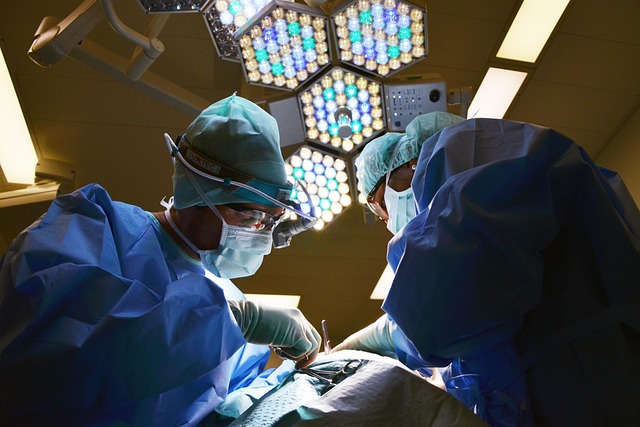
Warts are a common skin concern, caused by the human papillomavirus (HPV), which can affect people of all ages. Understanding their causes and types is the first step towards effective removal. The virus invades the upper layers of the skin, leading to the formation of rough, sometimes painful, growths. These can appear anywhere but are most commonly found on the hands and feet. There are various types, including common warts, which are usually rough and grainy; plantar warts, growing into the skin of the feet; and genital warts, a sexually transmitted infection requiring medical attention.
Experienced wart removal surgeons often recommend natural remedies as the first line of treatment, especially for less severe cases. Simple home treatments include applying salicylic acid or over-the-counter medications. However, for persistent or unsightly warts, seeking professional help is crucial. Private clinics, such as those in Oxford, Reading, and Cambridge, offer specialized wart removal services. These specialists have the expertise to diagnose and treat various wart types, ensuring fast and effective relief. Advanced techniques like cryotherapy (freezing) and laser treatments are also available, offering precise and targeted approaches to wart removal.
While natural remedies may provide some results, consulting a specialist is essential for more complex cases. Wart removal specialists can offer tailored advice and safe, efficient treatment options, ensuring patients receive the best care possible. With their expertise, most warts can be removed or significantly reduced in appearance, boosting confidence and comfort.
Natural Remedies: Effective Home Treatments

While many people turn to medical interventions for wart removal, there are effective, natural remedies that can offer fast and easy relief at home. An experienced wart removal surgeon can guide you through these options, especially considering specialized treatments like those offered by wart removal specialists in Exeter or Leicester. Some common, tried-and-true home remedies include apple cider vinegar, which has acidity that helps dissolve the protein in warts; applying a bandage soaked in vinegar to the affected area daily. Another natural option is garlic, known for its antiviral properties; crushing a garlic clove and applying it directly to the wart, then covering with a bandage, can stimulate the immune system to fight off the virus.
Dichloroacetic acid (DCM), available in some over-the-counter treatments, is another option that breaks down the skin’s protein. However, its potency requires caution; overuse can lead to skin irritation. Consulting with a specialist like those found near you in Exeter or Leicester can provide guidance on the right concentration and application for your specific case. Additionally, certain essential oils like tea tree oil possess antiviral properties and may help speed up healing when applied topically.
While these natural remedies offer promising results, it’s crucial to remember that their effectiveness can vary from person to person. For persistent or painful warts, professional medical intervention is advised. A wart removal specialist can provide advanced treatments such as cryotherapy (freezing) or laser surgery, ensuring safe and effective removal with minimal downtime, tailored to your specific needs.
When to Seek Professional Help from an Experienced Wart Removal Surgeon

If warts have become a persistent issue, affecting your quality of life or causing concerns for medical reasons, it may be time to consider professional help. While many over-the-counter treatments and home remedies exist, these may not always yield fast or permanent results. Seeking an experienced wart removal surgeon is particularly advisable in cases where warts are extensive, recurrent, or located on sensitive areas. For instance, a study published in the British Journal of Dermatology found that certain types of warts can take up to two years to disappear without intervention, emphasizing the need for effective and swift solutions.
In urban centers like Reading, Glasgow, and Cambridge, access to specialized wart removal services is readily available through private clinics. These facilities often cater to individuals who require prompt and discreet treatment, especially for warts that have proved resilient to conventional methods. An experienced wart removal surgeon can offer a range of treatments, from topical medications and cryotherapy to more advanced procedures like laser therapy or surgical excision. The choice of method depends on the type, size, and number of warts, as well as individual patient preferences and medical history.
Consulting an expert in wart removal near you is beneficial for several reasons. Firstly, these specialists have extensive knowledge and experience in managing various types of warts, ensuring more effective treatment. Secondly, they can provide personalized advice and recommendations tailored to your specific case, taking into account any underlying health conditions or sensitivities. For example, a surgeon might recommend immunotherapy for patients with weakened immune systems, as conventional treatments may not be as successful. Lastly, seeking professional help can save time and money in the long run, preventing the need for repeated purchases of over-the-counter products or multiple visits to general practitioners.
Surgical Options: Safe and Fast Removal Techniques
When it comes to fast and effective wart removal, surgical options offer a range of safe and reliable techniques. An experienced wart removal surgeon can play a pivotal role in achieving clear skin, ensuring procedures are both efficient and comfortable for patients. In cities like Newcastle, Cardiff, and Reading, access to specialized cosmetic wart removal services has become increasingly accessible, catering to those seeking discreet and effective solutions.
One popular surgical method is cryosurgery, which involves freezing the wart with liquid nitrogen. This non-invasive procedure is quick and often provides immediate results. The frozen wart is then shed naturally over a period of one to two weeks. A skilled surgeon can target specific warts while minimizing damage to surrounding skin. Another technique, known as surgical excision, entails physically removing the wart through a minor surgical procedure. This method is particularly effective for stubborn or large warts and often leaves minimal scarring. The advantage lies in its ability to eliminate the wart completely in one visit.
Choosing the right surgical option depends on various factors, including wart size, location, and severity. An experienced professional can assess your specific case and recommend the most suitable procedure. While these techniques offer swift relief, it’s crucial to consult a qualified surgeon who can guide you through the process, address any concerns, and ensure optimal outcomes.
Preventing Recurrence: Post-Removal Care Tips

To prevent warts from returning after removal, proper post-care is crucial. This involves a combination of protective measures and maintaining good skin health. Experienced wart removal surgeons recommend adhering to specific guidelines to ensure optimal results. For instance, keeping the treated area clean and dry significantly reduces the risk of re-infection. Avoid touching or scratching the area, as this can introduce new viruses.
In addition, applying over-the-counter (OTC) antiseptic creams or using warm compresses can aid in healing and reduce the chances of wart reoccurrence. These methods help keep the skin clear of debris and infections. For those seeking professional cosmetic wart removal in Manchester, Liverpool, or Newcastle, specialists often provide detailed post-procedure care instructions tailored to individual needs.
A key aspect is avoiding direct sunlight exposure during the healing phase. UV radiation can weaken the skin’s natural defenses, making it more susceptible to viral reintroduction. Using sunscreen and protective clothing when outdoors is recommended. Moreover, maintaining a robust immune system through balanced nutrition and regular exercise contributes to overall skin health, reducing the likelihood of future wart outbreaks. Regular check-ups with wart removal specialists in these cities can also help catch any recurring warts early, ensuring prompt and effective treatment.
Understanding warts, their causes, and various types is a crucial first step. Natural remedies offer effective, home-based treatments for swift wart removal. However, when warts persist or cause concern, it’s vital to consult an experienced wart removal surgeon for professional surgical options. Post-removal care, including prevention strategies, ensures reduced recurrence. This comprehensive approach equips readers with the knowledge and tools to manage and eliminate warts effectively, leveraging both natural remedies and expert medical interventions as needed.