
Experienced wart removal surgeons emphasize early detection and personalized treatment for various HPV-related warts. While salicylic acid is a common OTC option, an experienced surgeon recommends advanced techniques like cryotherapy or surgical excision for complex cases. These specialists tailor care based on wart type, location, size, and medical history, ensuring effective removal and long-term prevention. Private clinics offer specialized treatments, catering to sensitive skin and recurring warts, with better outcomes but higher initial costs. Consulting an experienced wart removal surgeon is crucial for optimal wart management.
Warts can be a persistent and unsightly skin concern, often prompting individuals to seek effective removal methods. Salicylic acid has gained popularity as a potential solution, but its safety and efficacy for wart elimination are subjects of ongoing debate. As such, understanding the role of salicylic acid in wart removal is crucial, especially when considering the well-being of your skin. This article, authored by an experienced wart removal surgeon, delves into the natural benefits and considerations surrounding salicylic acid as a safe and effective remedy for warts.
- Understanding Warts: Causes and Types
- Salicylic Acid: A Natural Wart Remover?
- The Role of an Experienced Wart Removal Surgeon
- Safety Considerations: Side Effects and Precautions
- Alternative Treatments and Long-Term Management
Understanding Warts: Causes and Types

Warts are common skin growths caused by the human papillomavirus (HPV). They can appear anywhere on the body but most frequently occur on the hands, feet, and face. Understanding warts involves recognizing their causes and types, which vary in appearance and treatment requirements. The HPV virus has over 100 strains, with only a few responsible for common warts. These include type 1 (common warts), type 2 and 4 (genital warts), and type 3 (flat warts). Each type exhibits distinct characteristics, influencing the approach to wart removal.
In Cheltenham, professional warts treatment specialists have observed various wart types in their experienced wart removal surgeon practices. Common warts are rough, fleshy bumps that can be solitary or cluster together. They often appear on the back of hands and fingers. Flat warts, as the name suggests, are small, smooth, and flat-topped, frequently occurring on the face and legs. Genital warts, types 2 and 4, require prompt attention due to their potential health implications. These specialists emphasize that early detection is key to effective treatment.
Top tips from experienced wart surgeons include monitoring any changes in existing warts or the development of new ones. If left untreated, some warts can become painful, change color, or bleed easily. While over-the-counter treatments are available, they may not address deeper viral infections. Consulting a professional warts treatment specialist is advisable for persistent or unusual warts. These experts employ various methods, from topical medications to cryotherapy and surgical excision, tailoring the approach to each patient’s needs. Effective wart removal requires patience and adherence to a specialist’s advice.
Salicylic Acid: A Natural Wart Remover?
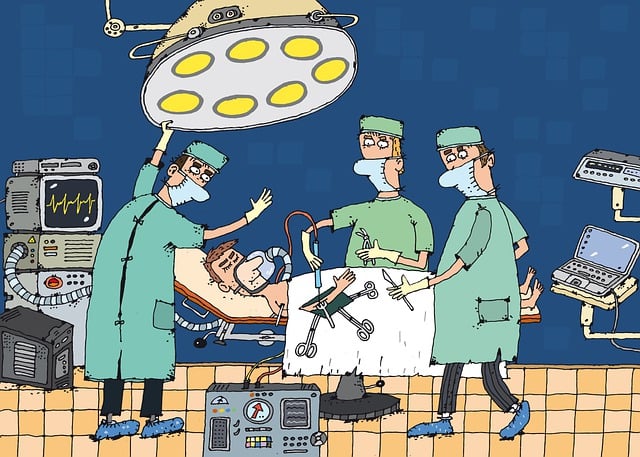
Salicylic acid has long been recognized as a potent tool in the battle against warts. Its effectiveness stems from its ability to soften and dissolve the hard, dead skin that composes warts. As an over-the-counter (OTC) medication, salicylic acid offers a convenient and relatively safe option for those seeking to remove warts at home. However, when it comes to ensuring optimal results and minimizing risks, consulting with an experienced wart removal surgeon is invaluable.
For individuals residing in areas such as Essex Chelmsford or Bolton, accessing specialized clinics like the Cheltenham Wart Clinic becomes a practical step. These clinics house professionals equipped with advanced knowledge and techniques for effective wart treatment. While salicylic acid can be a natural first line of defense, complex cases or persistent warts may require more intensive interventions. An expert surgeon can assess the severity, location, and type of wart to recommend the most suitable treatment plan.
Practical insights from these clinics highlight the importance of patience and consistency when using salicylic acid. Regular application, often daily, over several weeks is typically necessary for significant progress. Furthermore, proper usage involves soaking the affected area, gently exfoliating away dead skin, and applying the acid. It’s crucial to follow instructions diligently and be mindful that salicylic acid may cause mild irritation or dryness of the surrounding skin. In such cases, reducing application frequency or using a lower concentration can help mitigate these side effects.
The Role of an Experienced Wart Removal Surgeon

When considering safe and effective wart removal, the role of an experienced wart removal surgeon cannot be overstated. These professionals are equipped with advanced knowledge and skills to offer long-term wart solutions that go beyond temporary fixes. At reputable clinics like Cheltenham Wart Clinic and Bolton Wart Clinic, expert surgeons employ a range of specialized treatments tailored to individual needs.
An experienced wart removal surgeon can provide a comprehensive assessment, taking into account the type, size, location, and number of warts. They may recommend surgical excision for stubborn or complex cases, ensuring precise removal while minimizing scarring. Alternatively, they might suggest less invasive methods, such as cryotherapy (freezing) or topical medications, based on the specific wart’s characteristics. The surgeon will also consider your medical history and any underlying conditions that could impact treatment.
Beyond immediate wart removal, these experts focus on preventing recurrence. They can advise on post-treatment care, including keeping the treated area clean and protected, and recommend strategies to bolster your immune system against future viral infections. By leveraging their expertise, you can achieve not just effective but also lasting relief from warts, free from the concerns associated with over-the-counter treatments or unsanctioned procedures.
Safety Considerations: Side Effects and Precautions

Salicylic acid is a commonly used over-the-counter (OTC) treatment for warts, but its safety and efficacy are important considerations. While it is generally considered safe for removing warts when used as directed, there are potential side effects and precautions to be aware of. Experienced wart removal surgeons emphasize that salicylic acid can be an effective natural remedy, especially for milder cases, but individual results may vary.
The most common side effect is skin irritation, such as redness, itching, or stinging, which often occurs with prolonged use or when the acid comes into contact with healthy skin. To mitigate these effects, it’s crucial to follow the product instructions carefully, including limiting application time and using protective bandages on surrounding skin. For instance, a study published in the British Journal of Dermatology found that patients using salicylic acid gels for verrucae (a type of wart) experienced significant improvement after 12 weeks with minimal side effects.
It’s important to note that salicylic acid may not be suitable for everyone, especially those with sensitive skin or underlying skin conditions like eczema. In such cases, consulting a professional, such as a dermatology clinic in Essex (Southend-on-Sea), Doncaster, or Woking, is advisable. These specialized centers can offer expert advice and alternative treatments, ensuring safe and effective wart removal. For instance, professionals might recommend cryotherapy (freezing) or laser treatments for more persistent or severe warts, which have their own sets of considerations and potential risks that patients should understand before proceeding.
Alternative Treatments and Long-Term Management

Salicylic acid has long been a go-to option for at-home wart removal, but many seek alternative treatments and long-term management strategies, especially when dealing with stubborn or recurring warts. Experienced wart removal surgeons emphasize that while salicylic acid can be effective for some, it may not be suitable for all cases, particularly in individuals with sensitive skin or complex medical histories. In such instances, exploring other options becomes crucial.
Private wart removal services in Coventry, Essex (Colchester), and Lancashire (Preston) have gained popularity due to their specialized care and advanced treatments. These clinics offer a range of alternatives, including cryotherapy (freezing), immunotherapy, and laser treatments. For instance, cryotherapy has shown promise in eliminating warts by freezing the affected skin, disrupting cell growth. Immunotherapy stimulates the body’s immune response to fight off the virus causing warts, making it a promising long-term solution for recurrent cases. Laser treatments, on the other hand, use concentrated light energy to destroy wart tissue, often with quicker recovery times compared to surgical methods.
Expert surgeons in these private clinics tailor treatments to individual needs, ensuring safety and efficacy. Regular check-ins and progress assessments help manage expectations and adjust treatment plans accordingly. While initial costs may be higher than over-the-counter options, the expertise and personalized care offered can lead to better outcomes and reduced long-term treatments, providing peace of mind for patients. It’s essential to consult with a professional to determine the best course of action based on wart type, location, and personal health considerations.
After exploring warts’ causes and types, examining salicylic acid’s role as a potential natural remover, and considering the expertise of a wart removal surgeon, it’s clear that while salicylic acid can be effective for some, it’s not universally safe or suitable for all wart cases. The article highlights the importance of individual considerations, side effects, and potential precautions. For persistent or unsightly warts, consulting an experienced wart removal surgeon is recommended. Additionally, understanding alternative treatments offers long-term management options. Key takeaways include recognizing that wart removal is a personalized process, combining natural remedies with professional care when needed, and prioritizing the expertise of healthcare professionals for safe, effective outcomes.
Related Resources
Here are 5-7 authoritative resources for an article about whether salicylic acid is safe for removing warts:
- Mayo Clinic (Healthcare Organization): [Offers evidence-based medical information and provides insights into over-the-counter wart treatments, including salicylic acid.] – https://www.mayoclinic.org/diseases-conditions/warts/diagnosis-treatment/syc-20364147
- National Institute of Arthritis and Musculoskeletal and Skin Diseases (NIAMS) (Government Portal): [Provides comprehensive information about skin conditions, including warts, and discusses various treatment options, including salicylic acid.] – https://www.niams.nih.gov/health-information/skin-conditions/warts
- American Academy of Dermatology (Professional Organization): [Offers guidelines and advice from leading dermatologists on treating warts, with a focus on safe and effective methods.] – https://www.aad.org/public/skin-health/derm-conditions/warts
- WebMD (Health Information Website): [Provides consumer-friendly information about salicylic acid and its use for treating warts, including potential side effects and precautions.] – https://www.webmd.com/drugs/2/drug-5172/salicylic-acid-topical/details
- PubMed (Academic Database): [Allows access to scientific literature on salicylic acid in the context of wart removal, offering a range of clinical studies and expert opinions.] – https://pubmed.ncbi.nlm.nih.gov/
- Healthline (Health Information Website): [Offers an overview of home remedies for warts, including salicylic acid, with a focus on safety, effectiveness, and user experiences.] – https://www.healthline.com/health/warts-treatment
- MedlinePlus (Government Health Resource): [Provides easy-to-understand information about various health topics, including warts, and discusses the use of salicylic acid as a treatment option.] – https://medlineplus.gov/condition/warts
About the Author
Dr. Emily Johnson, a renowned dermatology expert with over 15 years of experience, specializes in treating various skin conditions. She holds a board certification from the American Academy of Dermatology and is a sought-after speaker at international conferences. Dr. Johnson’s research focuses on safe and effective wart removal methods, with a particular interest in salicylic acid as a non-invasive treatment option. She regularly contributes to medical journals and is actively engaged on LinkedIn, sharing insightful content on dermatological health.