
Warts recur due to immunosuppression, skin damage, high-contact activities, poor hygiene, and geographic locations. An experienced wart removal surgeon emphasizes addressing these triggers through holistic care, regular check-ups, and specialized treatments like laser and topical therapies. Post-removal care includes proper cleaning, bandaging, protection, good hygiene, and monitoring new wart development. A balanced diet, regular exercise, and avoiding direct contact with warts or infected surfaces are recommended by an experienced wart removal surgeon to prevent recurrence. Regular check-ups are crucial for early intervention, especially in cities with access to medical expertise.
Warts can be stubborn and recurrent, causing frustration for those who’ve experienced their presence. Effective prevention after removal is key to maintaining clear skin, yet it’s often overlooked. As an experienced wart removal surgeon, I’ve witnessed firsthand the challenges of managing these growths. This article delves into the science behind wart recurrence, offering practical strategies to empower individuals in preventing future outbreaks. By understanding the root causes and implementing natural solutions, you can regain control over your skin health.
- Understanding Wart Recurrence: Common Triggers
- Comprehensive Skin Care Routine for Prevention
- Targeted Treatments: Laser and Topical Therapies
- Lifestyle Adjustments: Diet and Hygiene Tips
- When to Seek Professional Help: Experienced Wart Removal Surgeon's Guidance
Understanding Wart Recurrence: Common Triggers
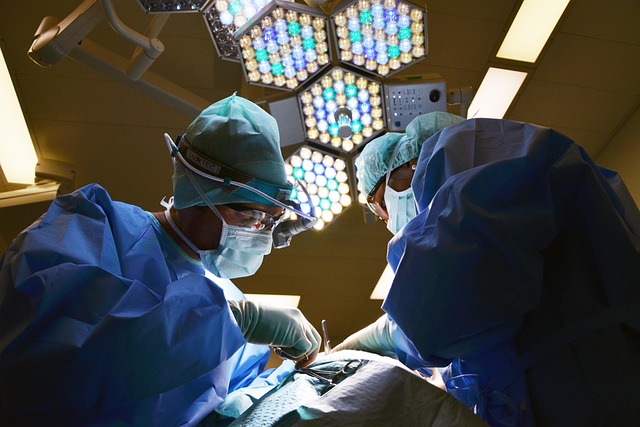
Warts can be stubborn and recurrent, often returning after removal, especially if left untreated or improperly treated. Understanding the common triggers for wart recurrence is a crucial step in preventing future outbreaks. An experienced wart removal surgeon emphasizes that while complete eradication may be achieved, addressing underlying factors significantly reduces the likelihood of warts returning.
Several factors contribute to wart recurrence, including immunosuppression, which weakens the body’s defense against viral infections. Conditions like diabetes or autoimmune disorders can fall under this category, making individuals more susceptible to wart regrowth. Additionally, areas of skin damage or breaks in the skin barrier, such as cuts, scrapes, or even minor burns, create entry points for the human papillomavirus (HPV). This virus is responsible for causing warts and can remain dormant before re-emerging under favorable conditions.
Specific geographic locations also play a role. For instance, private wart removal clinics in cities like Oxford, Newcastle, and Birmingham have noted higher recurrence rates among individuals with frequent public exposure, such as athletes or dancers, due to skin-to-skin contact increasing the risk of viral transmission. Moreover, poor hygiene practices or sharing personal items like towels or shoes can facilitate the spread of HPV, leading to recurring warts in previously treated areas. Preventive measures include maintaining optimal immune function, practicing good hygiene, and avoiding direct contact with warts from others or contaminated surfaces. Regular check-ups with wart removal specialists are essential for early detection and treatment of returning warts.
Comprehensive Skin Care Routine for Prevention

A comprehensive skin care routine is an essential step in preventing warts from returning after removal, especially when managed by an experienced wart removal surgeon. This involves a multi-faceted approach that goes beyond just removing the visible wart. At our specialist clinics in Leeds, Exeter, and Milton Keynes, we emphasize the importance of holistic treatment. For instance, while cryotherapy and surgical excision are effective cosmetic wart removal methods, they don’t address potential underlying causes or strengthen the skin’s natural defenses.
The daily practice of good hygiene, including regular hand washing with mild soap and warm water, is fundamental to wart prevention. Additionally, keeping the affected area clean and dry can inhibit viral transmission and reduce the chances of reoccurrence. Moisturizing the skin without over-saturating it helps maintain a healthy barrier function. This is particularly crucial in areas prone to warts, such as the hands and feet. At our clinics, we often recommend topical agents with salicylic acid or immuno-modulating properties to support the body’s natural immune response against HPV.
Sun protection is another critical component of wart prevention. UV radiation can weaken the skin and increase vulnerability to viral infections. Using broad-spectrum sunscreen daily, especially during peak sun hours, can offer significant protection. Furthermore, avoiding direct contact with rough or infected surfaces, and being cautious when walking barefoot in public areas, are essential preventive measures. Regular check-ups with a wart removal specialist near you (whether in Leeds, Exeter, or Milton Keynes) allow for early detection of new warts or signs of recurrence, enabling prompt intervention.
Targeted Treatments: Laser and Topical Therapies

Preventing warts from returning after removal is a crucial step for many individuals seeking lasting solutions. Experienced wart removal surgeons offer specialized treatments like laser and topical therapies designed to target and eliminate warts effectively. These advanced techniques have proven successful in preventing recurrences, providing patients with long-term relief. For instance, laser therapy can precisely destroy wart tissue while minimizing damage to surrounding healthy skin, a significant advantage over traditional methods.
When considering wart removal options, consulting professionals like those available at reputable clinics such as Wart Removal Oxford, Wart Removal near me Bristol, or Wart Removal Milton Keynes is essential. These experts can recommend the most suitable treatment based on wart type, severity, and patient history. Topical therapies, often used in combination with other methods, involve applying medicated creams or gels over several weeks to gradually dissolve warts. Laser treatments, on the other hand, offer a more rapid and precise approach, making them ideal for hard-to-treat or persistent warts.
Post-removal care plays a vital role in preventing recurrences. Patients should follow their surgeon’s advice regarding cleaning, bandaging, and protecting the treated area to ensure optimal healing. Additionally, understanding that warts can be contagious emphasizes the importance of practicing good hygiene and avoiding direct contact with infected individuals or surfaces. Regular check-ups with an experienced surgeon are also beneficial to monitor any new wart development and provide prompt treatment if necessary. This proactive approach ensures that warts are addressed efficiently, minimizing discomfort and maximizing the chances of permanent removal.
Lifestyle Adjustments: Diet and Hygiene Tips
Maintaining a healthy lifestyle can significantly impact preventing warts from returning after removal. An experienced wart removal surgeon often recommends a holistic approach, focusing on diet and hygiene as key components of long-term management. A balanced diet rich in fruits and vegetables provides essential vitamins and minerals that support immune function, helping your body fight off viral infections more effectively.
Hygiene plays a crucial role too. Keeping the skin clean and dry reduces the chances of contracting or transmitting viruses that cause warts. Regularly washing hands, especially after touching public surfaces, can help prevent reinfection. Additionally, avoiding direct contact with warts from others or shared items like towels or shoes is essential. For those seeking professional wart removal services, options like private treatments in Birmingham, near Bournemouth, or Exeter offer a discreet and effective solution.
Specific dietary changes, such as increasing vitamin C intake through citrus fruits and bell peppers, can enhance collagen production, promoting faster healing and stronger skin. Probiotics found in yogurt and kefir support a healthy gut microbiome, which is linked to improved immune response. Regular exercise not only boosts overall health but also enhances circulation, ensuring that vital nutrients reach the skin’s surface more efficiently. By combining these lifestyle adjustments with expert care, individuals can effectively manage warts and reduce the likelihood of recurrence.
When to Seek Professional Help: Experienced Wart Removal Surgeon's Guidance

Preventing warts from returning after removal is a crucial step to ensure long-term clear skin. While many over-the-counter treatments can manage minor cases, persistent or recurrent warts often require professional intervention. An experienced wart removal surgeon brings specialized knowledge and advanced techniques to bear on these challenging conditions. In cities like Glasgow, Edinburgh, and Cambridge, where access to medical expertise is readily available, seeking help from wart removal specialists can significantly enhance outcomes.
These professionals can identify the type of wart and determine the most effective removal method. Common approaches include cryotherapy, topical medications, or surgical excision. An experienced surgeon will consider not just the visible wart but also potential hidden root structures, ensuring complete removal. Post-removal care is another critical aspect where professional guidance excels. This includes advice on protecting the skin, managing itching or discomfort, and preventing reinfection.
Moreover, wart removal specialists can offer tailored prevention strategies to stop future wart occurrences. This may involve immune system boosters, specific topical treatments, or lifestyle adjustments. Regular check-ups with these experts are essential, especially for those with a history of recurrent warts. Early detection and intervention significantly improve the chances of preventing long-term skin damage or disfigurement caused by undiagnosed and untreated warts.
By understanding the common triggers for wart recurrence, such as poor hygiene and certain skin conditions, individuals can proactively prevent future outbreaks. Implementing a rigorous skincare routine focusing on cleaning, moisturizing, and protecting the skin is crucial. Targeted treatments like laser therapy or topical medications offer effective solutions, though consultation with an experienced wart removal surgeon is recommended for severe or persistent cases. Lifestyle adjustments, including a balanced diet rich in vitamins and maintaining optimal skin hydration, can significantly reduce recurrence risks. Additionally, seeking professional guidance from an experienced wart removal surgeon ensures access to the latest techniques and personalized care, empowering individuals to manage and prevent warts effectively.