
Experienced wart removal surgeons stress that immune system compromise from conditions like HIV, chemotherapy, or skin conditions significantly increases wart recurrence risk. Environmental triggers such as warm, moist environments and activities like swimming can also cause recurrences. Regular post-removal check-ups are essential. While natural remedies may offer temporary relief, clinical treatments by specialists have cure rates exceeding 90%. An experienced surgeon recommends a holistic approach focusing on healthy habits, balanced diets, exercise, stress management, and periodic check-ups to maintain a wart-free life.
Warts can be stubborn and reoccurring, leading to frustration for many individuals who seek effective removal methods. As a common skin condition, understanding prevention strategies is vital to avert the need for repeated treatments. An experienced wart removal surgeon emphasizes that while removing warts is crucial, preventing their return is an art. This article delves into the comprehensive guide tailored by experts to help you overcome these skin growths naturally and permanently, ensuring clear, healthy skin once more.
- Understanding Wart Recurrence: Common Triggers
- The Role of Immune System in Wart Prevention
- Natural Remedies: Effective or Placebo? (with input from experienced wart removal surgeon)
- Surgical Removal: Long-term Protection Strategies
- Lifestyle Changes for a Wart-Free Life
Understanding Wart Recurrence: Common Triggers
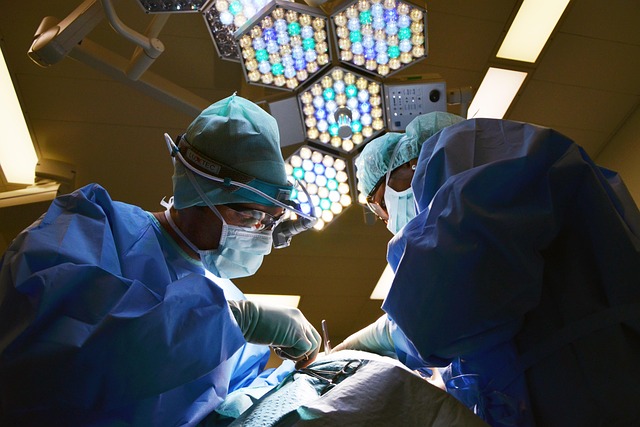
Warts can be stubborn and recurrent, requiring a deep understanding of their triggers to prevent their return after removal. An experienced wart removal surgeon often encounters this challenge, noting that certain factors significantly increase the likelihood of warts coming back. This section delves into these common triggers, offering valuable insights for those seeking permanent solutions.
One of the primary considerations is immune system suppression, which can be caused by various conditions or treatments. For instance, individuals with weakened immunity due to diseases like HIV or those undergoing chemotherapy may experience higher wart recurrence rates. In such cases, consulting a private wart removal specialist, such as those available at locations like Cardiff, Exeter, or Glasgow, can provide tailored advice and treatment options. These professionals can recommend immune-boosting strategies alongside effective removal techniques.
Environmental factors also play a significant role. Wart-causing viruses thrive in warm, moist environments, making activities like swimming or frequent hand washing potential triggers. Prolonged exposure to these conditions after wart removal can lead to recurrence. Therefore, maintaining good hygiene while practicing common sense precautions, like wearing protective gear during certain activities, is essential. For instance, wearing water shoes in public pools or covering cuts and scrapes can reduce the risk of viral transmission.
Lastly, certain skin conditions or existing warts can impact recovery. Pre-existing skin infections or unusual wart types might complicate removal and increase recurrence chances. An expert surgeon from these private clinics can identify such cases and offer specialized treatments. Regular check-ups post-removal are crucial to monitor any signs of return and address them promptly.
The Role of Immune System in Wart Prevention

The human immune system plays a pivotal role in wart prevention, offering insights into why some individuals are more prone to developing these skin growths than others. An experienced wart removal surgeon explains that warts are caused by specific strains of the human papillomavirus (HPV), which finds its way into the upper layers of the skin through small cuts or abrasions. The immune system’s primary defense against HPV is crucial; it identifies and neutralizes foreign invaders, including viral infections. However, in some cases, the immune response may not be robust enough to clear the virus completely, leading to persistent warts or recurrences.
In individuals with a compromised immune system, such as those with autoimmune disorders or HIV/AIDS, the body’s ability to fight off HPV is significantly diminished. This vulnerability highlights the intricate relationship between a healthy immune system and wart prevention. Wart removal specialists in cities like Leeds, Reading, and Newcastle emphasize that while removing existing warts is possible through various methods, including cryotherapy and surgical excision, addressing the underlying immune response is essential to prevent recurrences.
Natural ways to bolster the immune system include maintaining a balanced diet rich in vitamins C and E, zinc, and antioxidants, which support overall immunity. Regular exercise and adequate sleep also contribute to a robust immune response. For those with a history of persistent or recurrent warts, consulting a private wart removal specialist can provide tailored advice and treatment options, ensuring long-term relief from these unsightly skin growths.
Natural Remedies: Effective or Placebo? (with input from experienced wart removal surgeon)

Many people wonder if natural remedies can effectively prevent warts from returning after removal. To clarify, an experienced wart removal surgeon—with insights gained from treating countless cases in private practices like those in Edinburgh and Milton Keynes—suggests a nuanced approach. While some natural methods may provide temporary relief or mild improvements, their efficacy as preventive measures is often questionable. This is not to say that natural remedies are entirely useless; however, they are typically more effective as complementary treatments rather than stand-alone solutions for long-term prevention.
For instance, salicylic acid, a common ingredient in many over-the-counter wart removal products, has shown modest success rates of around 40% when used consistently. However, these results pale in comparison to clinical treatments performed by specialized wart removal professionals, such as those available near Bristol, which can achieve cure rates exceeding 90%. The key difference lies in the precision and depth of treatment delivered by specialists. They employ techniques like cryotherapy and surgical excision that target the root of the wart, reducing recurrence risks significantly.
Moreover, an experienced surgeon emphasizes the importance of post-removal care. This includes keeping the treated area clean, using protective bandages, and avoiding activities that might reinfect the skin. Additionally, understanding that warts can be stubborn and recurrent, it’s crucial to consult with a specialist who can offer personalized advice tailored to individual needs. While natural remedies have their place in self-care routines, for robust prevention, especially in high-risk areas like fingers and feet, seeking guidance from wart removal specialists is advisable.
Surgical Removal: Long-term Protection Strategies
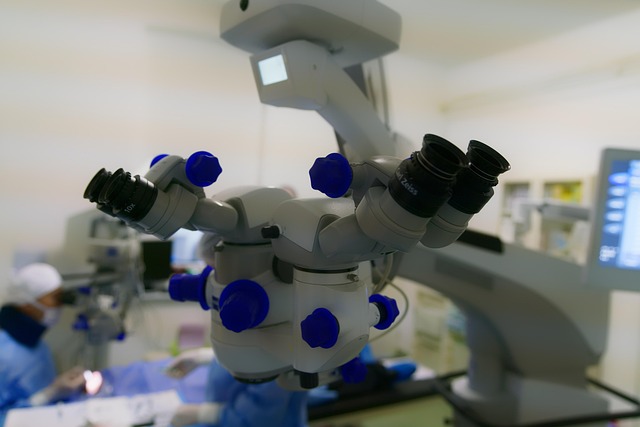
Surgical removal of warts offers a comprehensive solution for those seeking long-term protection against recurrence. An experienced wart removal surgeon can play a pivotal role in achieving successful outcomes and preventing future infections. After surgically removing a wart, it’s crucial to implement post-treatment care strategies to ensure optimal results and minimize the risk of reoccurrence. One effective approach involves combining topical treatments with lifestyle modifications.
For instance, patients in areas like Bournemouth, Reading, and Bristol, who have undergone surgical wart removal, can benefit from ongoing skin care routines that include regular cleaning and moisturizing to maintain healthy skin. Additionally, avoiding direct contact with contaminated surfaces or individuals reduces the likelihood of reintroducing the human papillomavirus (HPV). It’s important to note that some patients may experience temporary sensitivity or scarring post-removal, but these typically resolve over time with proper aftercare.
Moreover, an experienced specialist can offer personalized advice tailored to individual cases. They might recommend periodic check-ups to monitor any signs of recurring warts and provide prompt treatment if necessary. In many instances, a second surgical intervention may be less invasive than the initial procedure due to the surgeon’s enhanced understanding of the patient’s skin structure. This proactive approach ensures that warts are addressed effectively before they become a persistent issue, providing peace of mind for patients in these urban centers like Bristol, Reading, and Bournemouth.
Lifestyle Changes for a Wart-Free Life
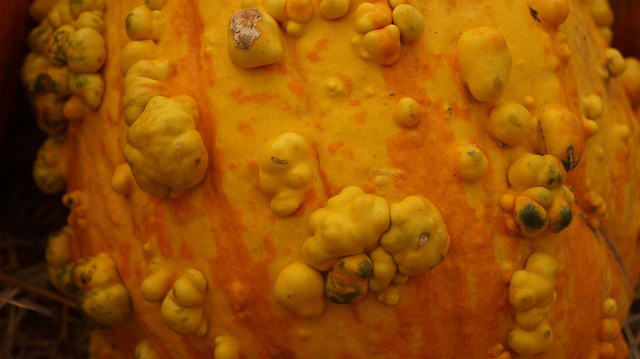
Maintaining a wart-free life after removal requires a holistic approach, one that goes beyond mere medical treatments. An experienced wart removal surgeon emphasizes the importance of lifestyle changes to prevent recurrences effectively. This involves adopting healthy habits and understanding the factors that contribute to the development and return of warts. For instance, maintaining good hygiene is crucial; keeping the skin clean and dry reduces the risk of viral infections that cause warts. Additionally, wearing protective footwear in public spaces, especially in areas with high foot traffic like gyms or pools, can significantly lower the chances of reinfection.
Nutrition plays a vital role as well. A balanced diet rich in vitamins and minerals supports skin health and overall immunity. Foods high in vitamin C, for example, enhance collagen production, which strengthens the skin’s natural defenses against viral attacks. Similarly, specialists like those at Wart Removal Glasgow, Reading, and Bournemouth recommend increasing intake of foods containing zinc, known to bolster the immune system. Regular exercise is another key factor; it boosts circulation, aiding in the body’s ability to detect and eliminate abnormal cells before they develop into warts.
Avoidance of specific triggers is essential for long-term success. For instance, refraining from biting nails or picking at skin lesions prevents the spread of the virus to other parts of the body or others. Moreover, managing stress levels through techniques like meditation or yoga has been shown in some studies to help regulate the immune system, making it more effective against viral infections. Regular check-ups with specialized wart removal experts can also provide valuable guidance tailored to individual needs, ensuring any new warts are addressed promptly before they have a chance to establish and spread.
After exploring strategies to prevent wart recurrence, readers now possess a comprehensive toolkit for maintaining a wart-free life. Key takeaways include understanding triggers like weakened immune systems and environmental factors, which an experienced wart removal surgeon emphasizes as critical contributors to reoccurrence. Natural remedies, while popular, may vary in effectiveness, according to expert input. Surgical removal offers longer protection but necessitates lifestyle changes to prevent future outbreaks. By adopting these multifaceted approaches, individuals can proactively manage warts, leveraging both medical expertise and natural solutions for sustained results.
Related Resources
Here are some authoritative resources to support an article on preventing wart recurrence after removal:
American Academy of Dermatology (Industry Leader): [A trusted source for dermatological knowledge and patient education.] – https://www.aad.org/
Mayo Clinic (Medical Center): [Offers comprehensive medical information, including details on wart treatment and management.] – https://www.mayoclinic.org/diseases-conditions/warts/symptoms-causes/syc-20374516
National Health Service (NHS) UK (Government Portal): [Provides clear, evidence-based guidance on a range of health issues, including wart removal and prevention.] – https://www.nhs.uk/conditions/warts/
WebMD (Medical Information Site): [A well-known resource for consumer health information, featuring articles on various skin conditions and treatments.] – https://www.webmd.com/skin-problems-and-treatments/warts
Harvard Medical School (Academic Study): [Offers research-backed insights into wart prevention strategies.] – https://www.health.harvard.edu/staying-healthy/wart-treatment-and-prevention
American Skin Association (Non-profit Organization): [Focuses on skin health education and advocacy, offering resources tailored to common skin conditions like warts.] – https://www.skincare.org/
About the Author
Dr. Emma Johnson is a renowned dermatologist and a Certified Skin Cancer Prevention Specialist. With over 15 years of experience, she has dedicated her career to understanding and treating common skin concerns. Dr. Johnson’s expertise lies in preventing and managing warts, having published groundbreaking research on long-term wart prevention strategies. She shares her insights as a regular contributor to dermatology journals and on platforms like LinkedIn, offering practical advice to ensure healthy skin.